Guides by occasion
What to send, why it is that flower, and when to order it
Five holidays and one everything-else account for most of what a florist sells in a year, and no two of them behave alike. One is a single day built around a single flower whose price is set months in advance. One is the busiest week of the year, where the constraint is delivery slots rather than stems. One is a season built on a potted plant. One moves by five weeks and takes the whole spring crop with it. One is not a gift at all, it is a table decoration that has to survive a five hour meal. And one is the hardest thing anybody buys flowers for.
Each guide covers how the occasion came to involve flowers in the first place, which ones are actually used and the reasoning behind them, what moves the price that week, and how far ahead to order.
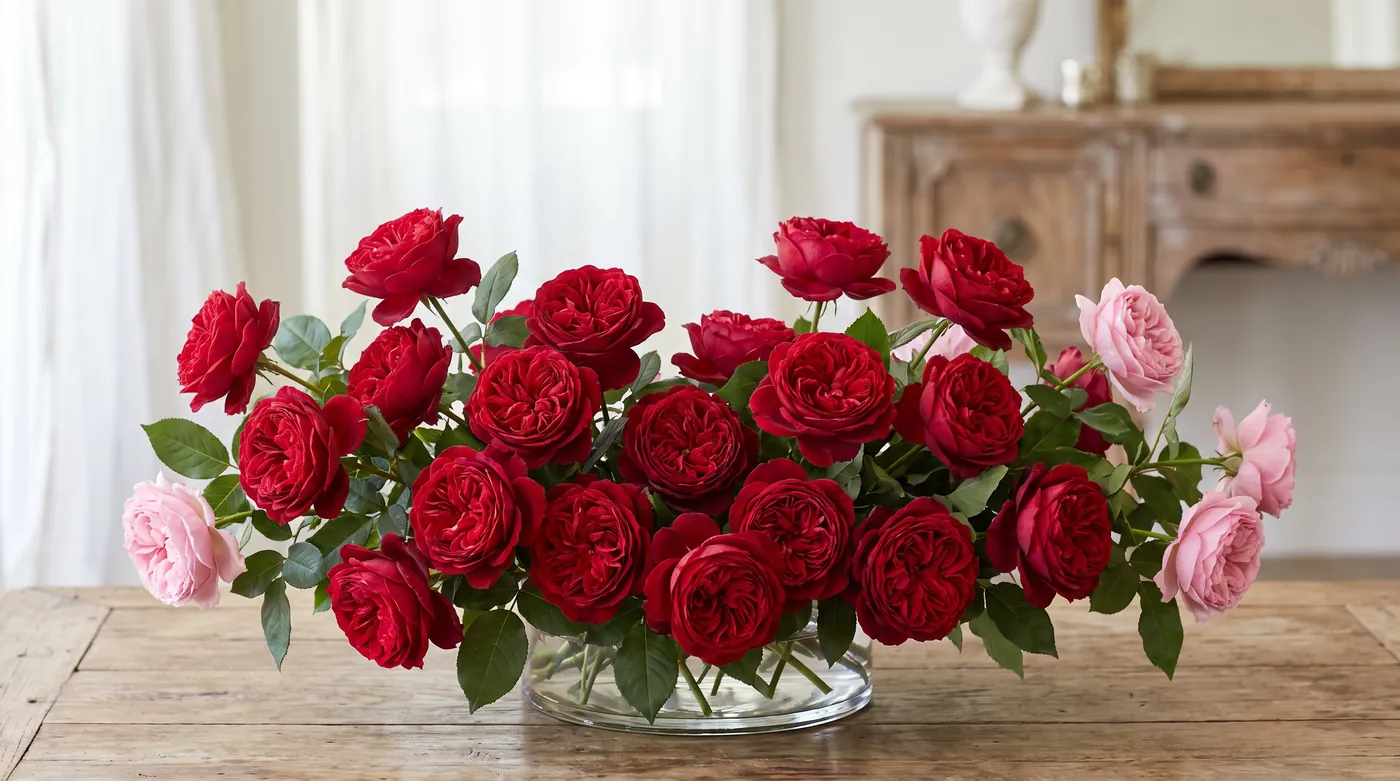
Valentine's Day Flowers
14 February
The biggest single day of the year for flowers, and the only one where one flower's price moves on its own.
Read the guide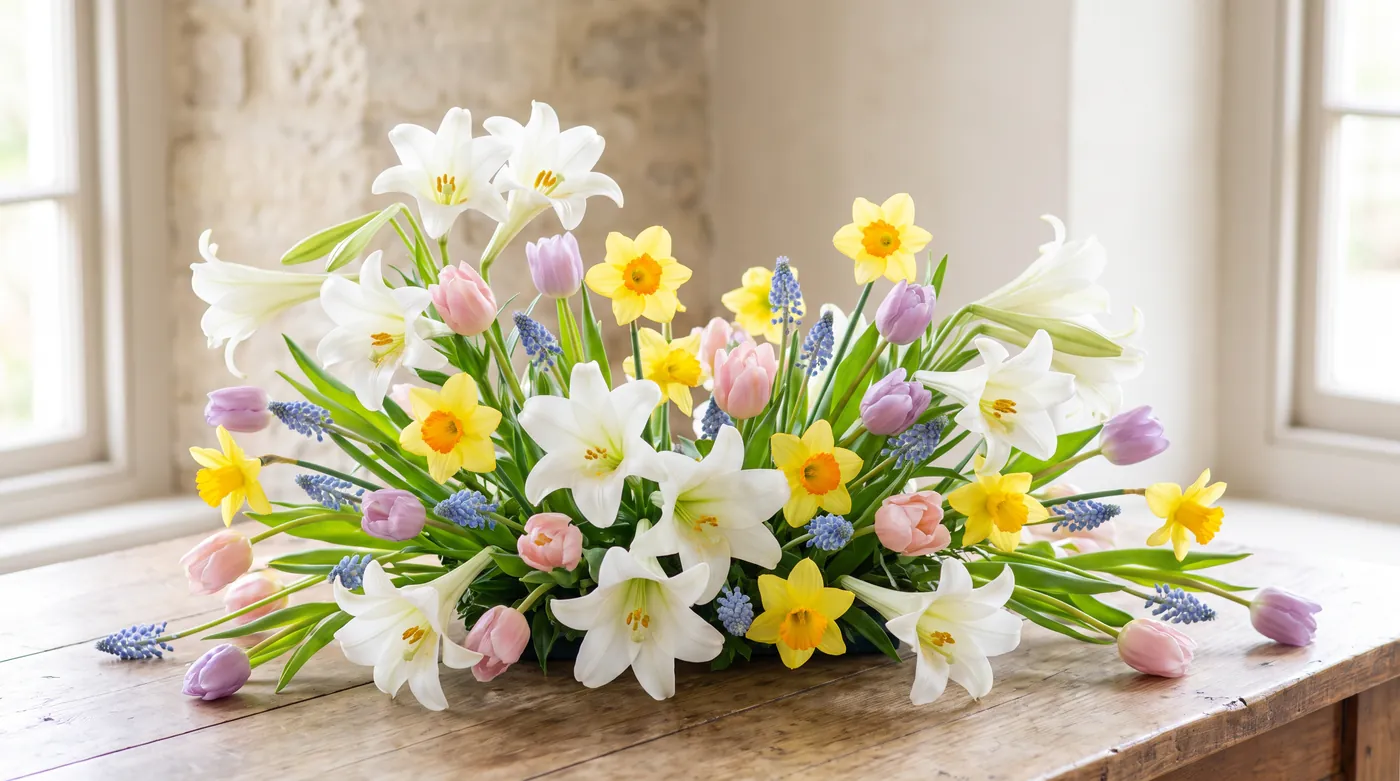
Easter Flowers
March or April, and it moves
Spring bulbs and one very specific lily. A moving date that changes what is actually available.
Read the guide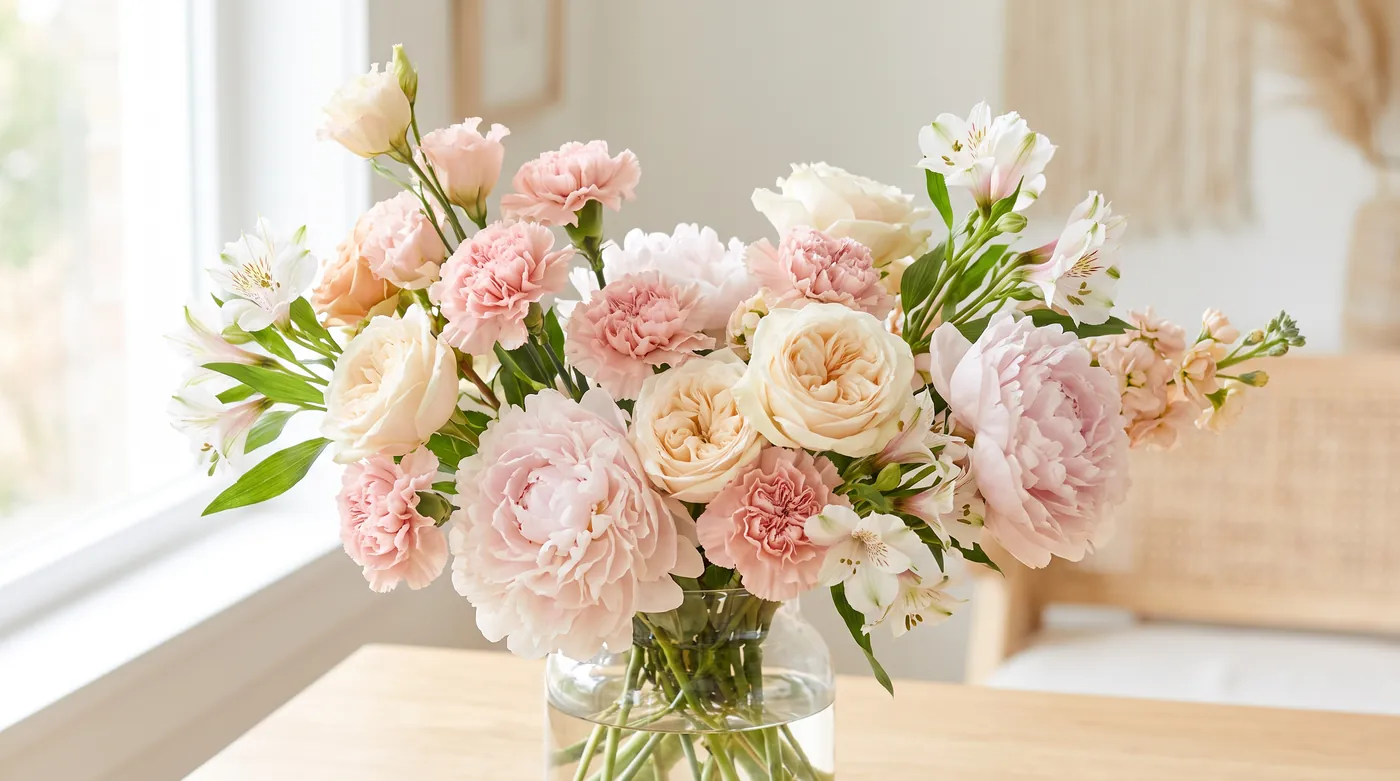
Mother's Day Flowers
Second Sunday in May
The biggest week of the year by volume. Delivery slots run out before the flowers do.
Read the guide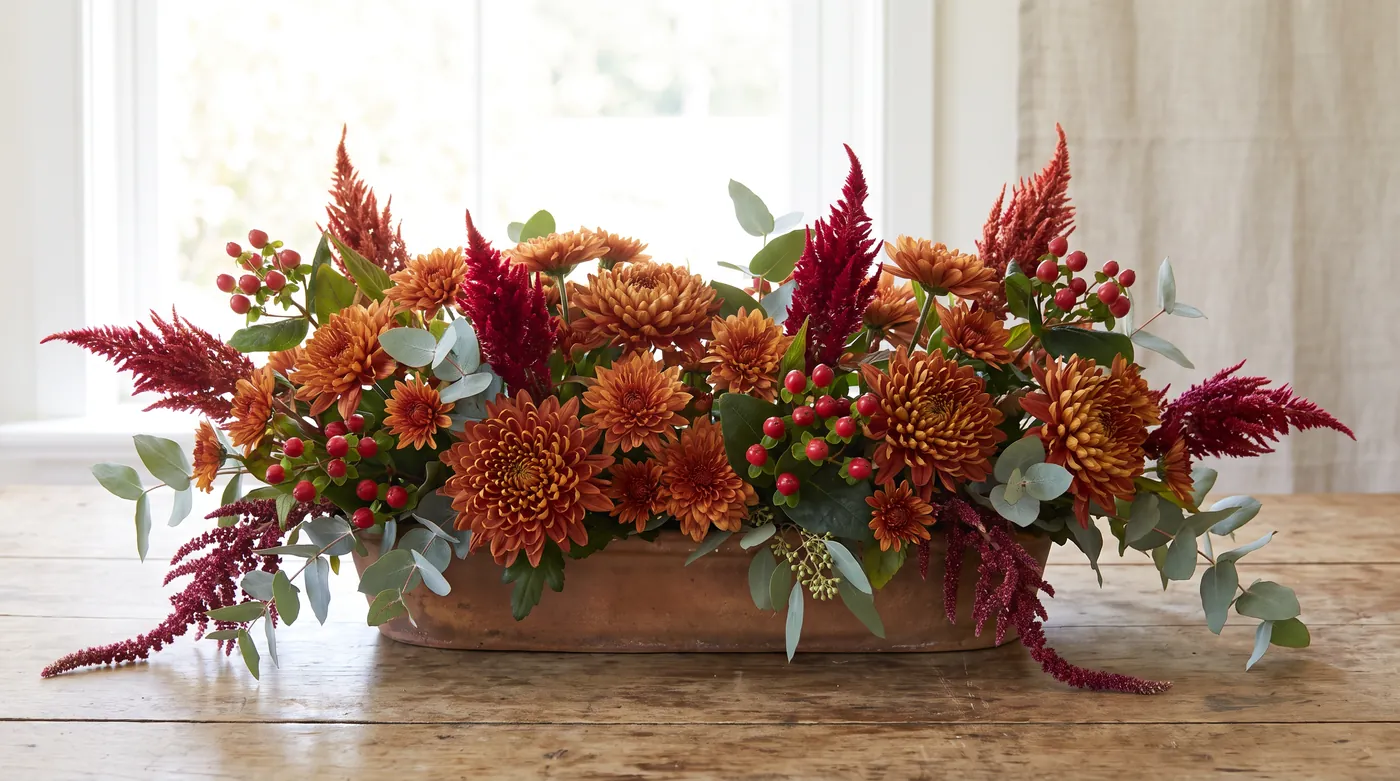
Thanksgiving Flowers
Fourth Thursday in November
One of the busiest delivery weeks of the year, and the centerpiece mistake almost everyone makes.
Read the guide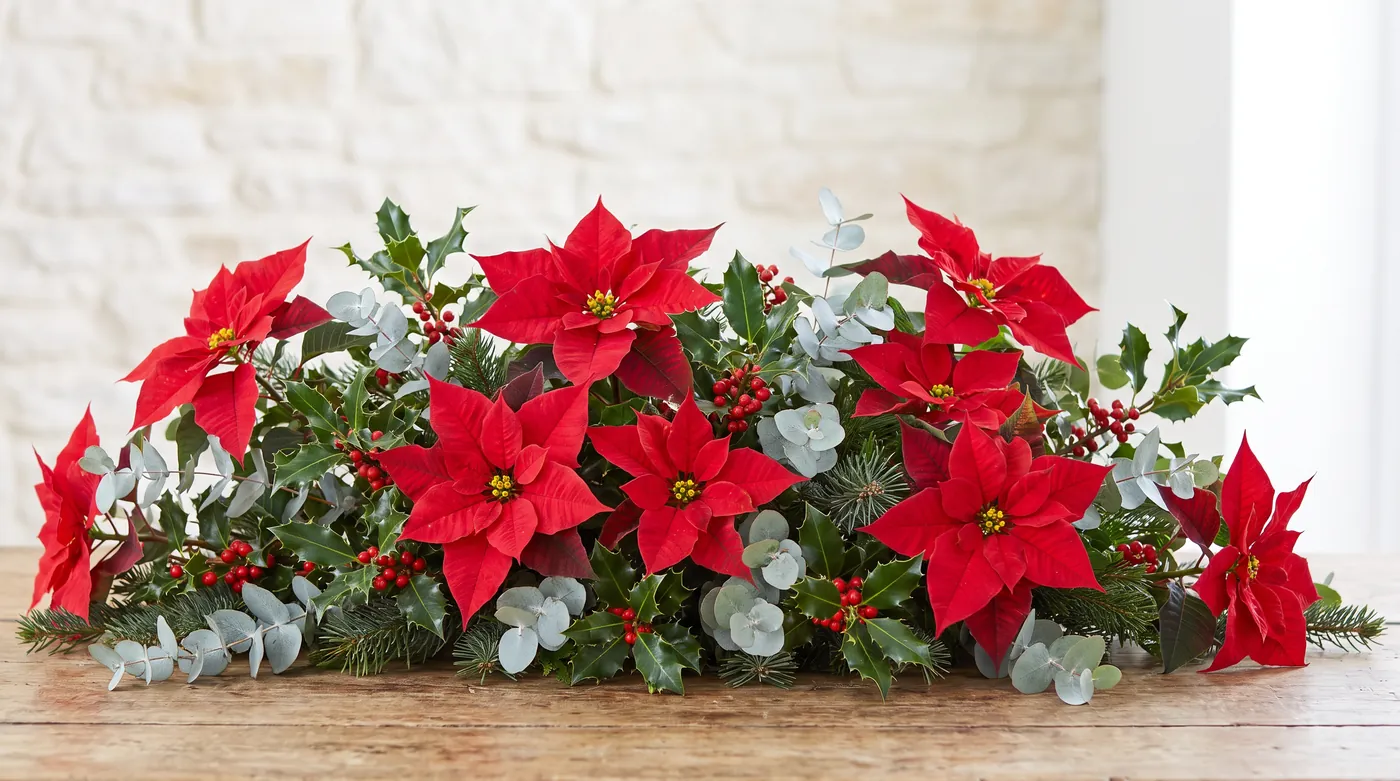
Christmas Flowers
December
A long season rather than one spike, and the only holiday where the best selling flower is a plant.
Read the guide
Sympathy and Funeral Flowers
Year round
Who sends what, where to send it, what to write, and the faiths where flowers are not sent at all.
Read the guide