Discover which flowers are at their freshest and most affordable throughout the year. Choose seasonal blooms for the best quality and value!
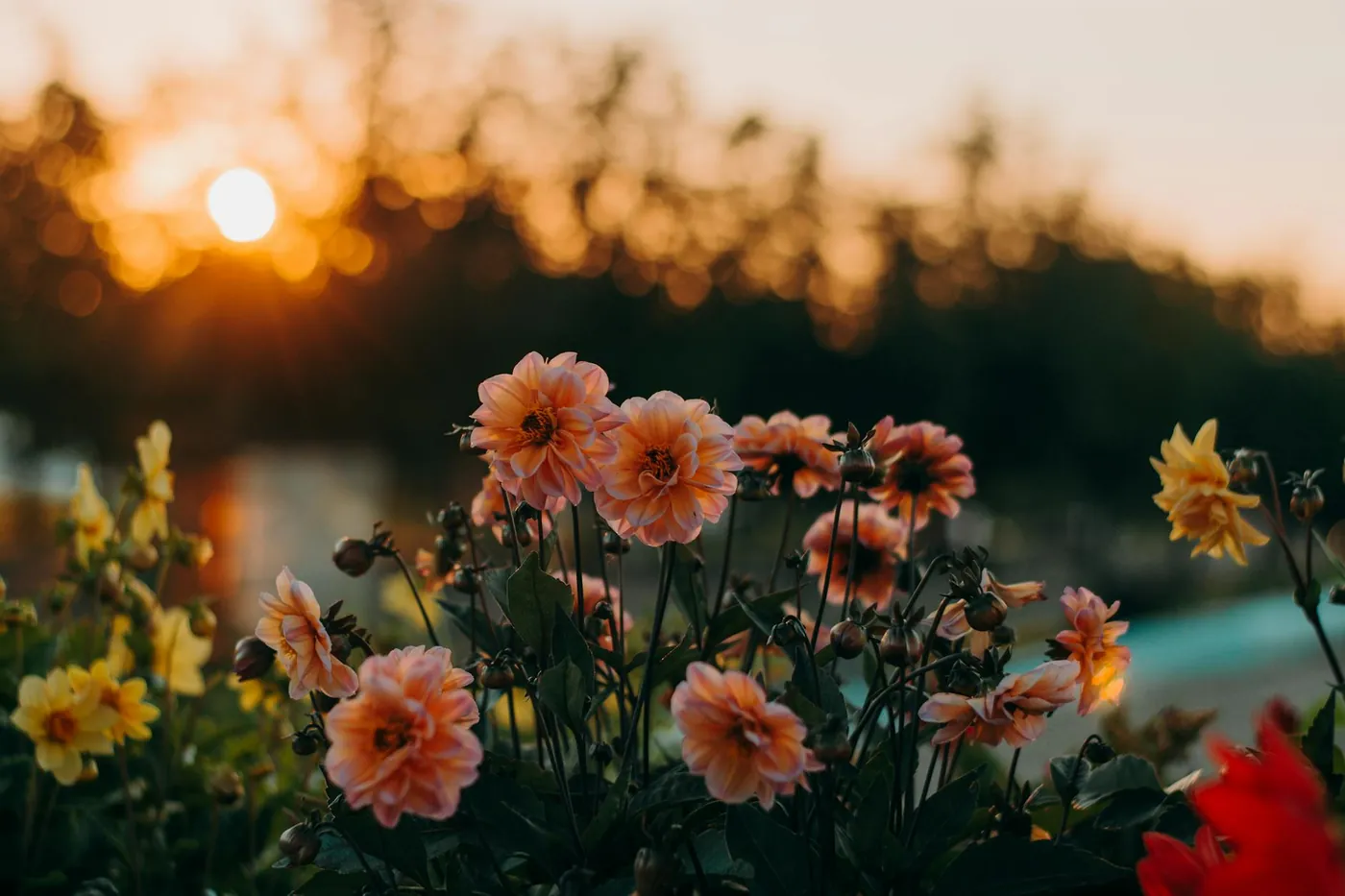
Dahlias are at their absolute best, sunflowers are still going, and the first chrysanthemums arrive.
Dahlias will not be better than this.
Most of the cut flowers sold in American shops are grown near the equator, in Colombia and Ecuador, where the day length and the temperature barely change across the year. They are cut, cooled, flown into Miami and trucked out from there. That is why a florist can sell you roses in January and lilies in October without thinking twice about it.
So the calendar is not the hard limit most people expect it to be. What it still decides is three things, and those three are the ones worth knowing before you order.
Less the season itself than the holidays sitting inside it, and the weather at the farm. A quiet week in an expensive month is often better value than a busy week in a cheap one.
A flower cut a few hours away, in the month it wants to grow, reaches you in better condition than the same flower flown across a continent. The difference shows up in how long it lasts on your table.
A handful of flowers bruise, shatter or simply refuse to travel. They exist for a few weeks a year and then they are gone. Those are the ones where the calendar genuinely rules.
Everything below is either impossible or ruinously expensive outside its window, whatever a stock photograph on a website suggests. If you want one of these, the date decides, not the budget.
The seasons matter less to your bill than four or five specific dates do. Knowing where they fall is most of the saving.
Growers plan the Valentine's crop months in advance and the whole supply chain prices accordingly. It is the steepest week of the year, and it applies to red roses specifically. That same week, tulips, alstroemeria, and roses in almost any other color are close to their normal price. If you want value in February, buy anything other than a dozen red roses. There is a full guide to Valentine's Day flowers covering what to send and when to order it.
For most shops this is the biggest week of the year by volume. It behaves differently from Valentine's Day: instead of one flower spiking, everything gets squeezed at once. Delivery slots run out first, then the best stock goes. The gap between ordering ten days ahead and ordering two days ahead is real, and it is mostly a gap in quality rather than price. The Mother's Day flower guide goes into what to send and why the carnation started all of it.
Wedding season quietly competes with you for the same peonies, garden roses and hydrangea, every weekend, for months. It rarely shows up as a headline price rise. It shows up as your first choice being unavailable on a Saturday.
Mid-January, late August, and the first half of November. Nothing is competing for the stock, the farms are producing normally, and this is when your money buys the most flower. If the date is flexible at all, put it there.
Weather at the farm, and freight. A cold snap in the growing regions or a few disrupted days of air freight through Miami moves prices faster and harder than any season does. It is also why a florist will sometimes tell you a flower is unavailable in a week it should be everywhere.
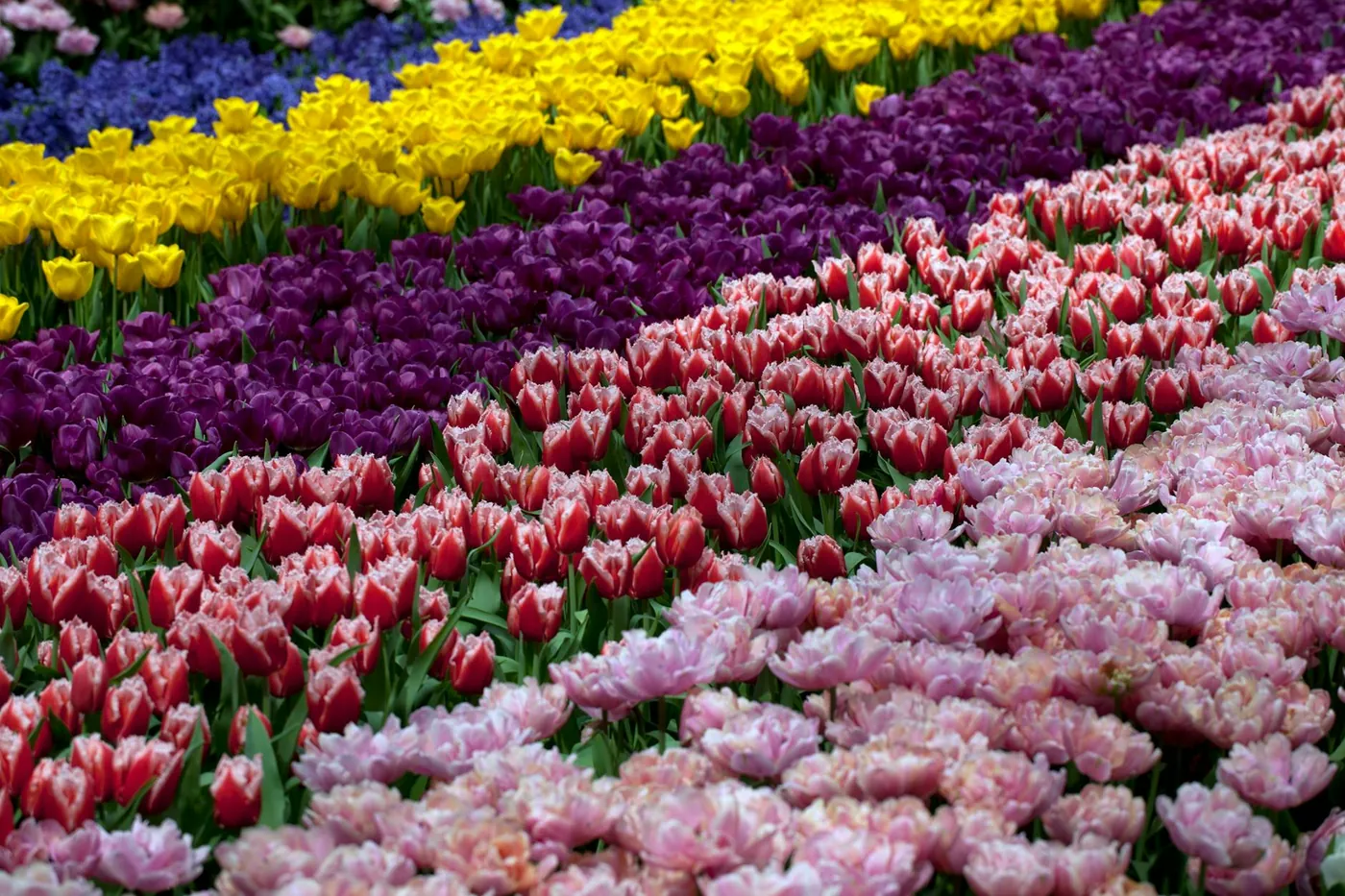
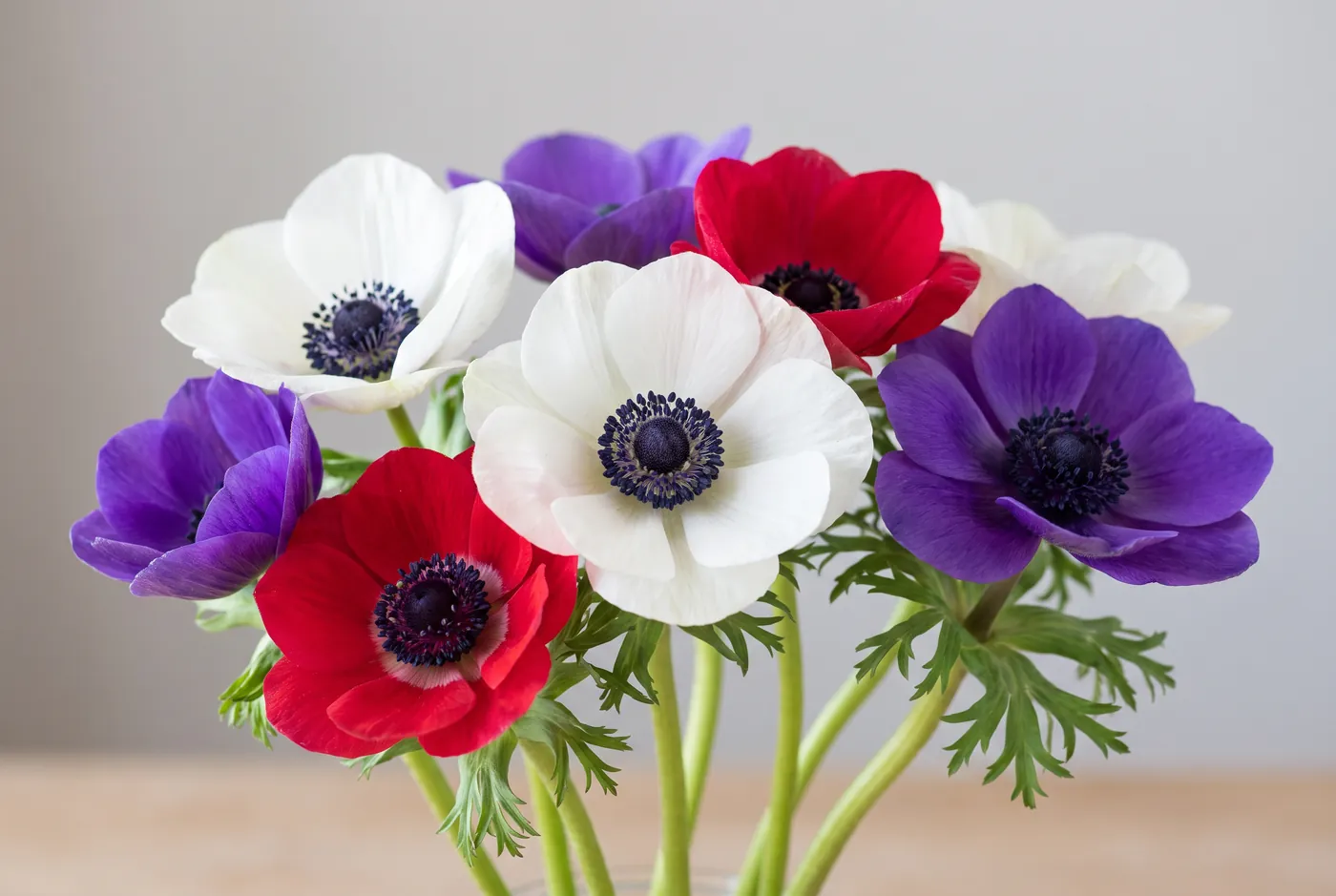
Spring brings an explosion of fresh blooms! These flowers are at their peak freshness, most abundant, and most affordable during the spring season.
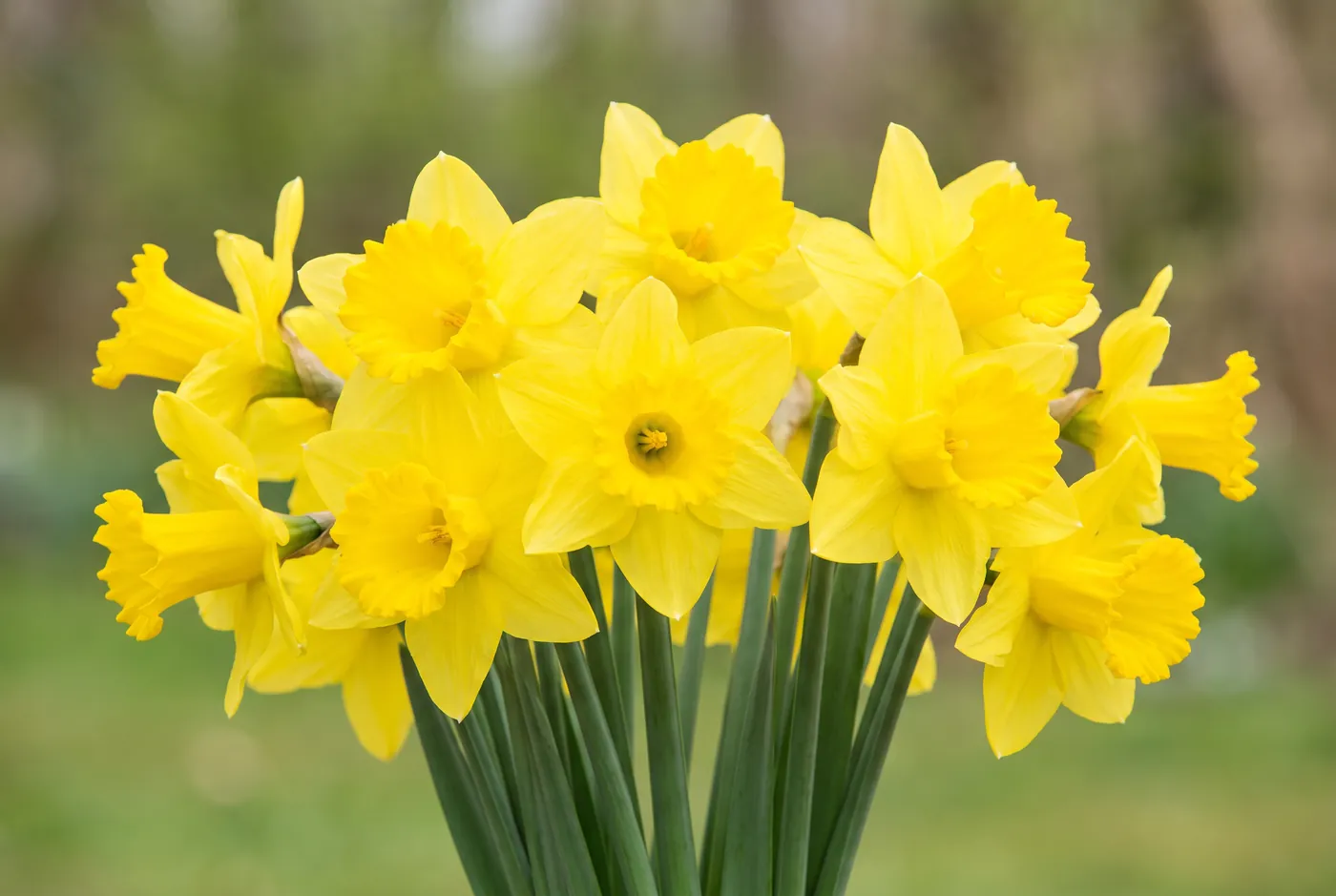
Tulips and daffodils are most affordable in spring. Stock up during March-April for the best prices.
Spring bulb flowers like tulips continue growing in the vase. Re-cut stems every 2 days for best results.
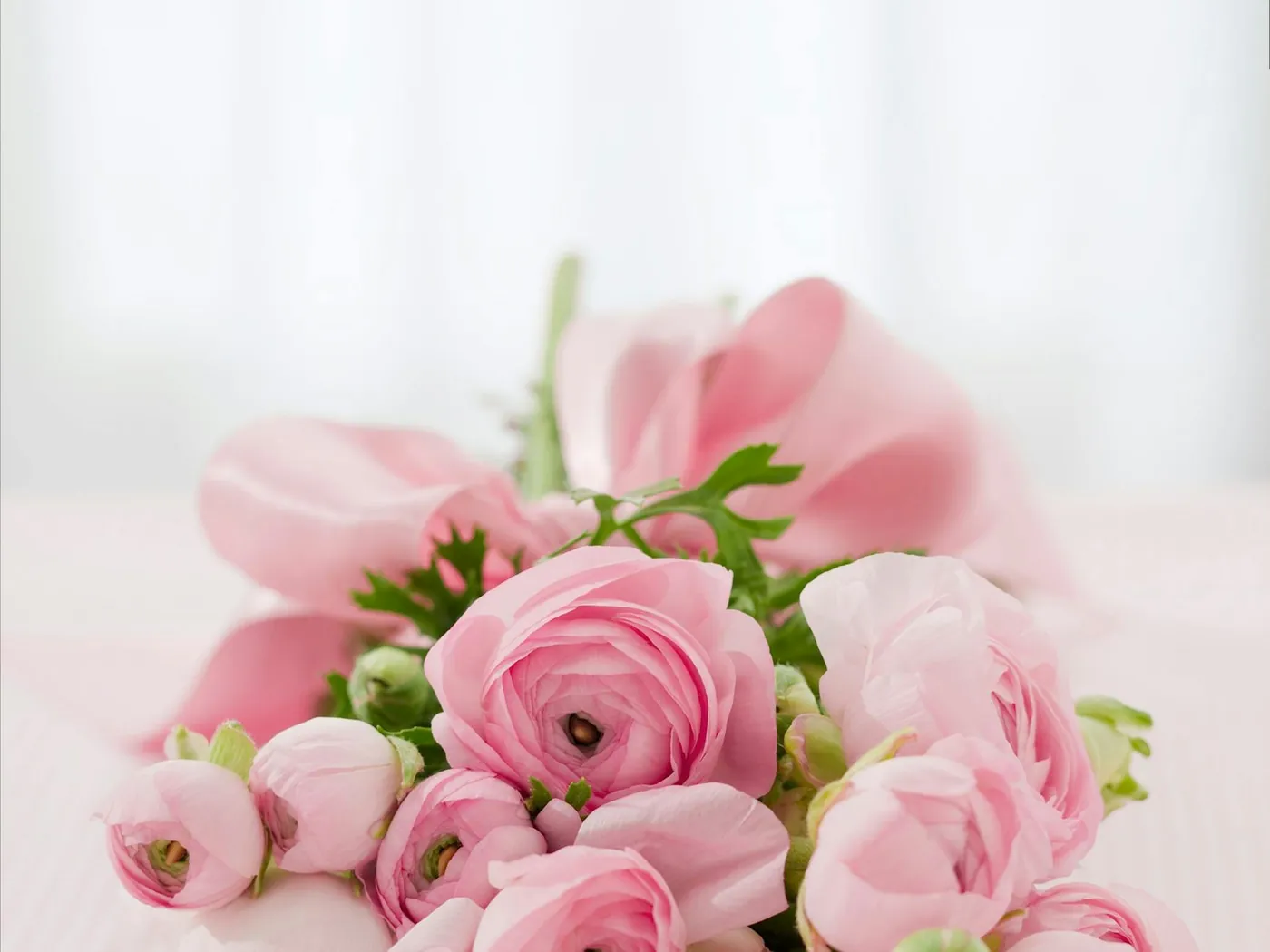
Embrace pastels! Soft pinks, yellows, and purples are quintessentially spring.
Easter, Mother's Day, weddings, and new beginnings. Spring flowers symbolize renewal and fresh starts.
Summer brings bold, vibrant blooms that love the warmth! These flowers thrive in the heat and are at their absolute best during summer months.
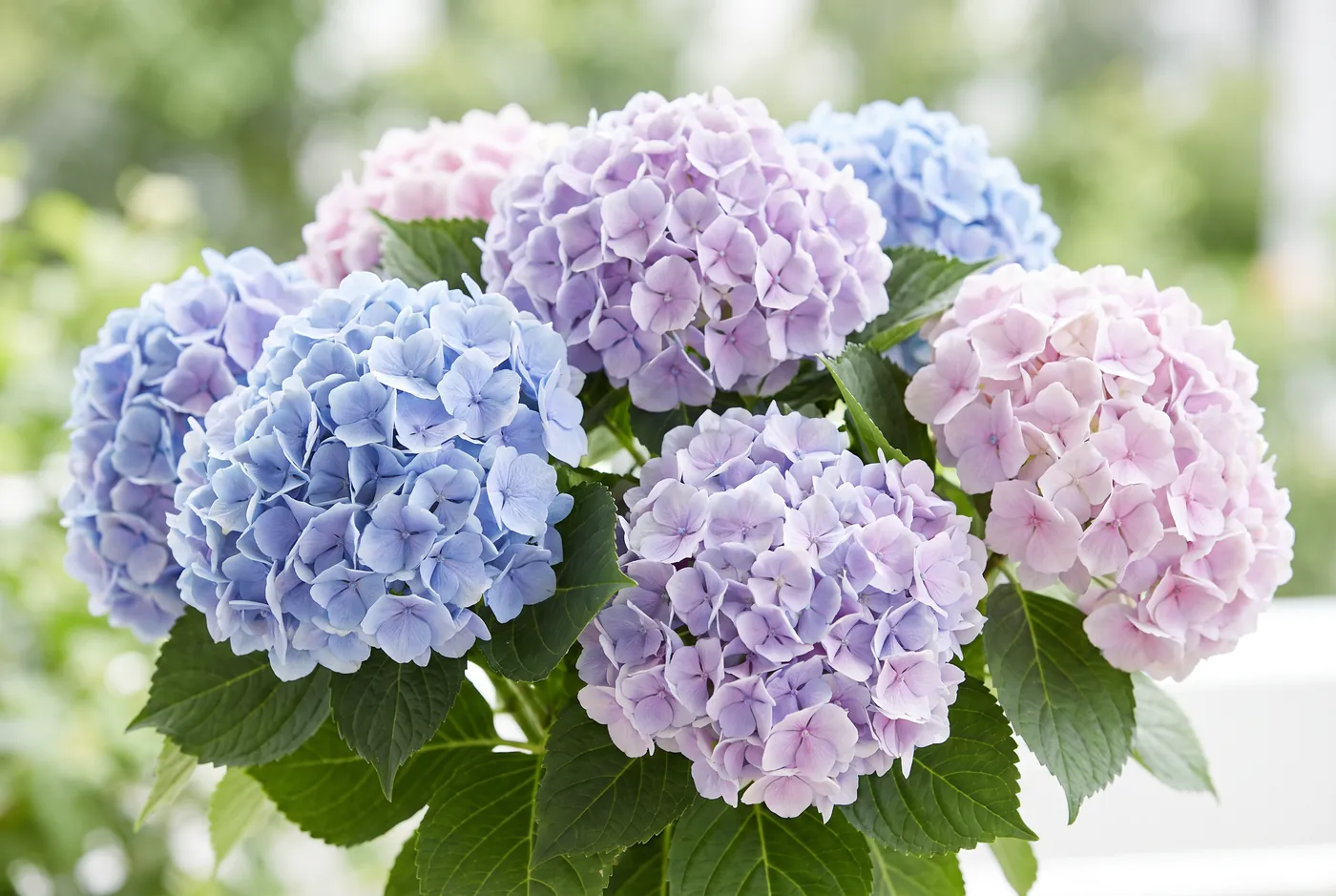
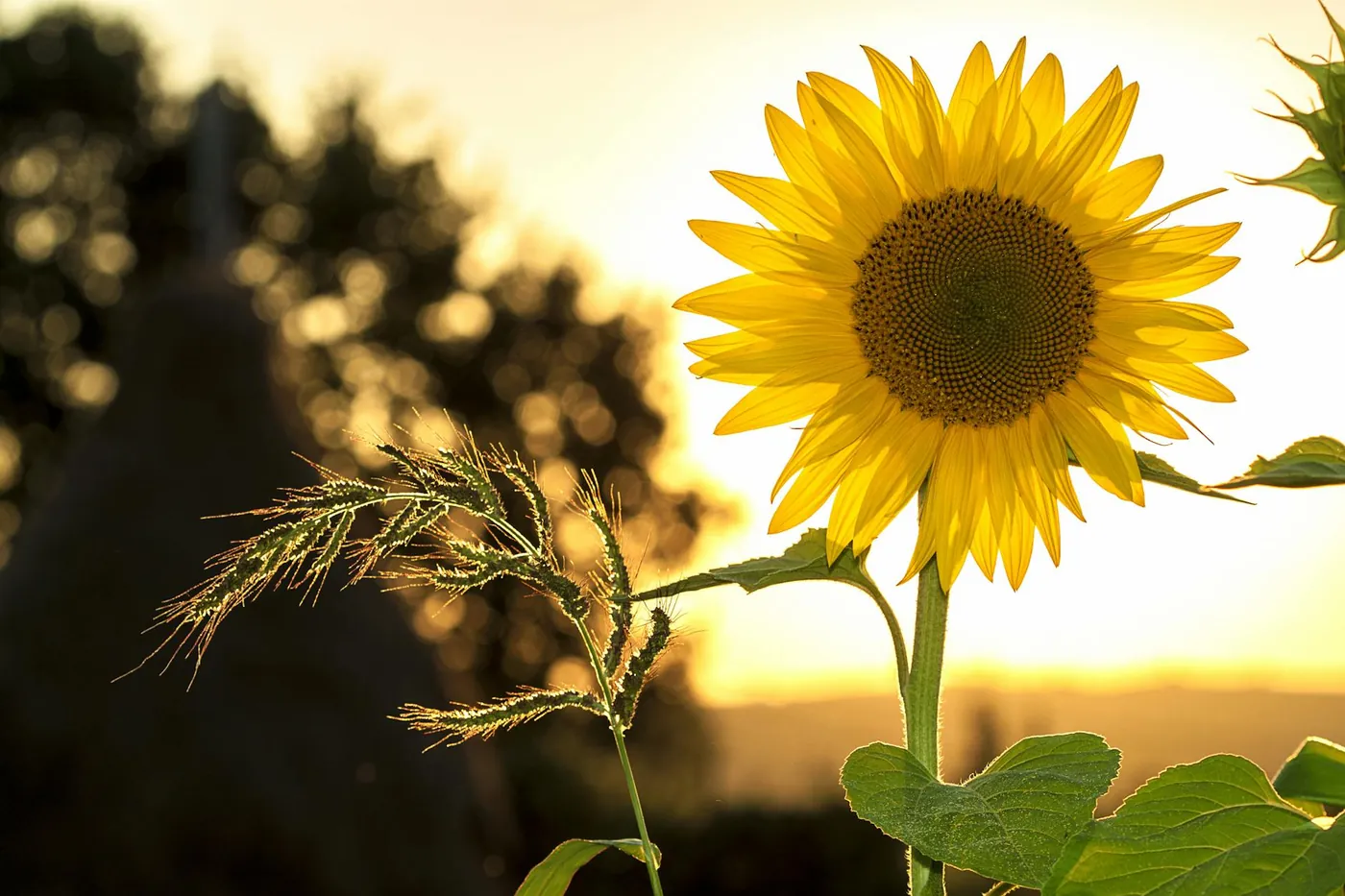
Sunflowers and hydrangeas are most abundant and affordable in July-August.
Keep flowers extra cool in summer! Change water daily and add ice cubes to keep them fresh longer.
Bold and bright! Yellows, oranges, and vibrant pinks capture summer's energy.
Summer weddings, outdoor parties, graduations, and cheerful celebrations.
Fall offers rich, warm-toned blooms perfect for cozy celebrations. These flowers embrace the changing season with deep, beautiful colors.
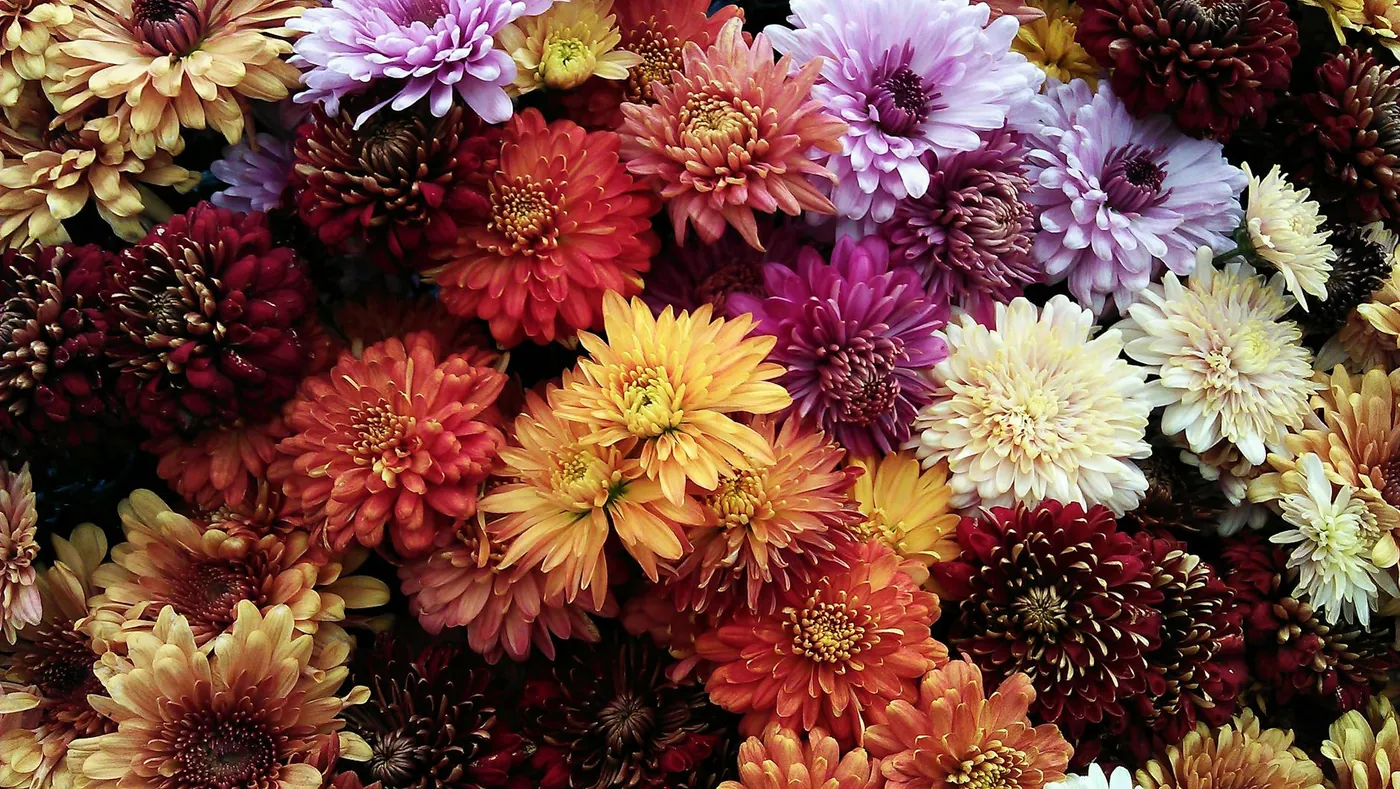
Chrysanthemums (mums) are the star of fall - abundant, affordable, and long-lasting.
Fall flowers generally last longer due to cooler temperatures. Change water every 3-4 days.
Embrace warm tones! Burgundy, rust, orange, deep yellow, and bronze are perfect for fall.
Thanksgiving, fall weddings, Halloween parties, and harvest celebrations.
Winter flowers bring warmth and elegance to the coldest months. While some are greenhouse-grown, they're still at their best quality during winter.
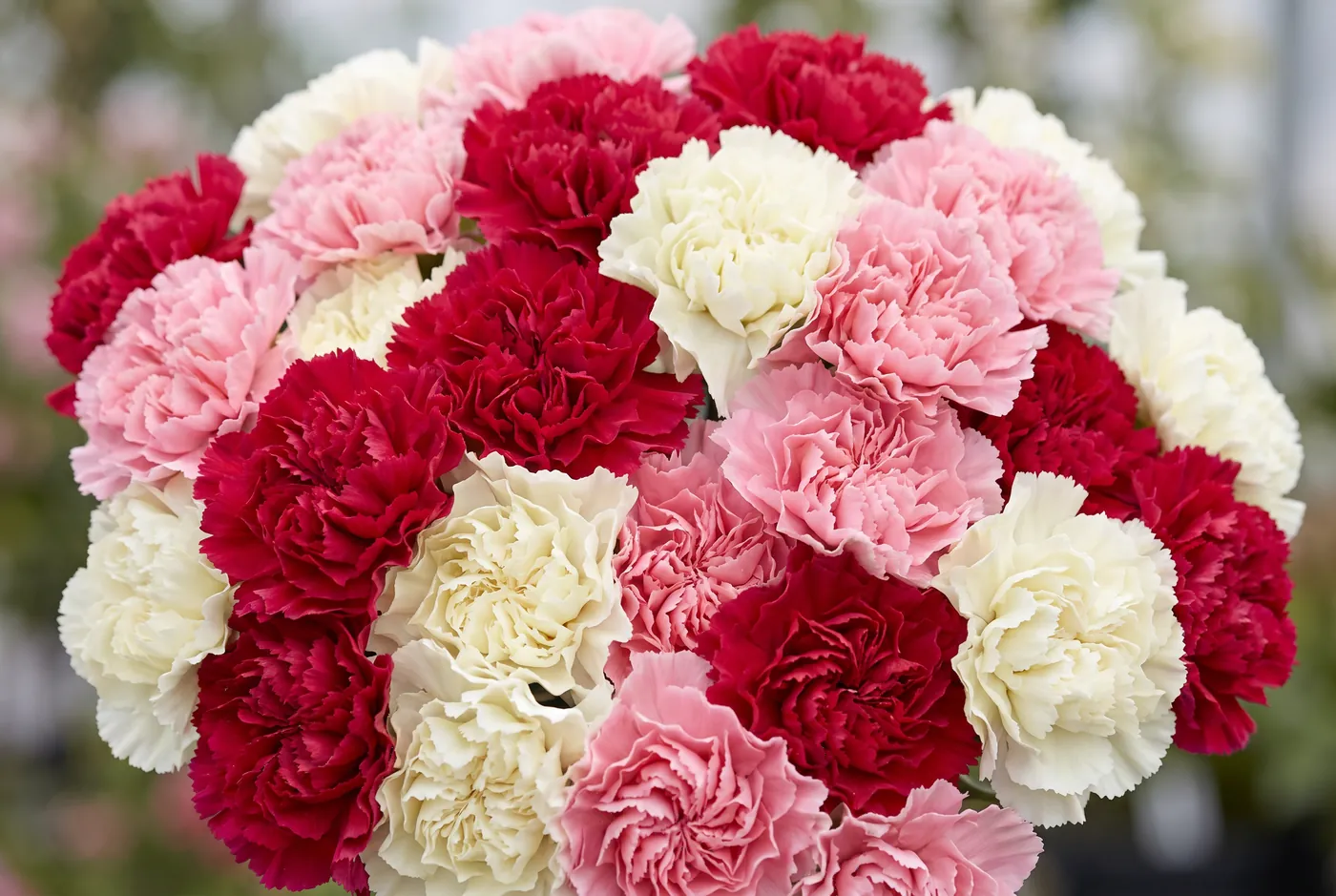
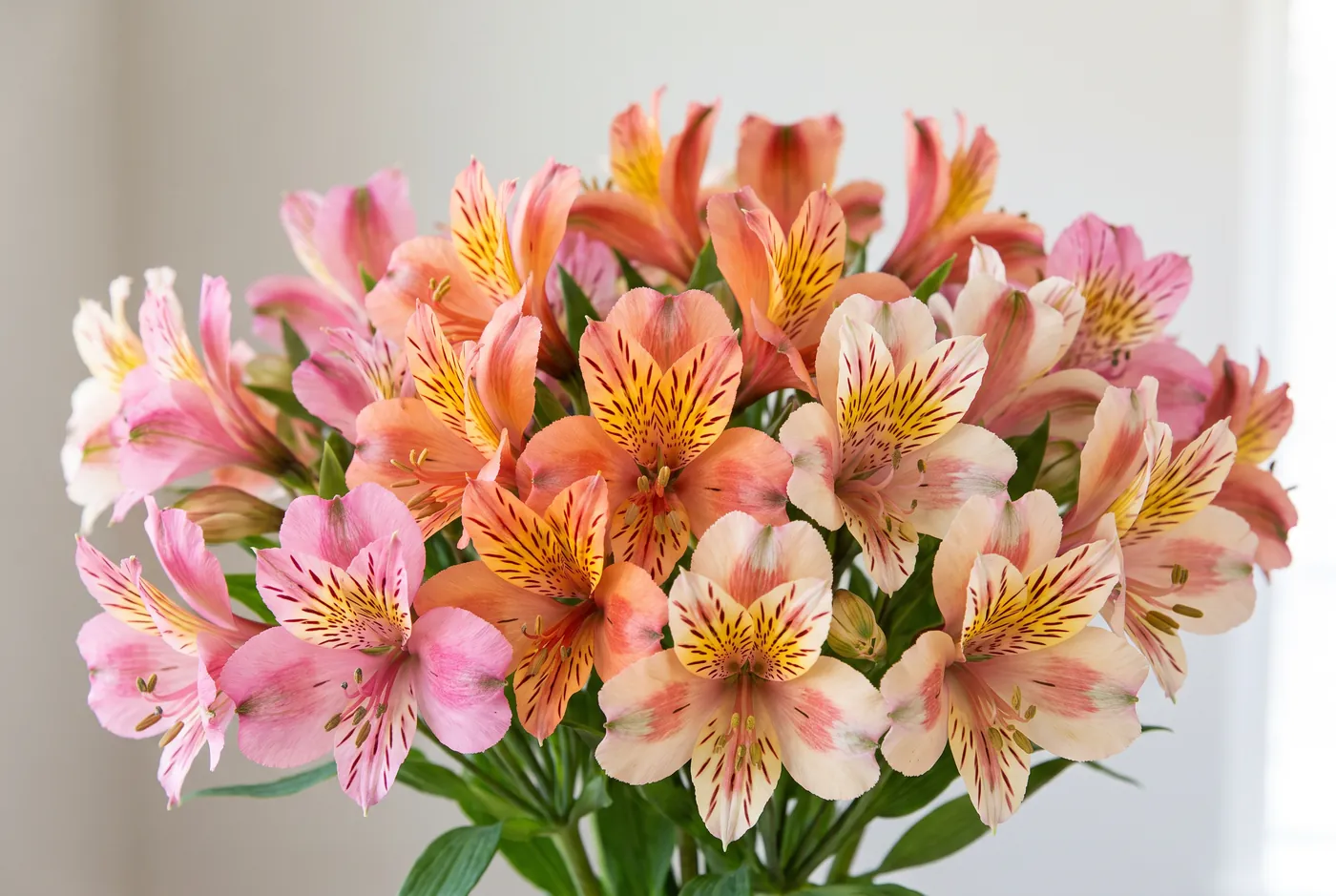
Carnations and alstroemeria are budget-friendly year-round options, especially in winter.
Protect flowers from cold drafts and heating vents. Keep them at room temperature for best longevity.
Deep reds, whites, and evergreens for holidays. Bright colors to combat winter blues!
Holidays, Valentine's Day, winter weddings, and bringing warmth to cold days.
Everything you need to plant and grow beautiful seasonal blooms
Seasonality is easiest to use in person, because a local florist is buying from the same market you are reading about and can tell you what actually arrived this week. Three things worth asking:
Our directory lists flower shops in every state, by county and town, so you can find the ones close enough to be buying from your local growers. Find a florist near you.
Usually, but the season matters less than the week. A flower grown locally in its own season skips the airfreight and arrives in volume, which does bring the price down. That saving is easily wiped out by buying in the run-up to Valentine's Day or Mother's Day, when demand rather than supply is setting the price.
Sometimes, from southern hemisphere growers, and it will be expensive and limited. If the look matters more than the flower, a full-headed garden rose or a large ranunculus gets you very close for a fraction of the cost, and both are genuinely good at that time of year. Ask your florist to show you the alternatives before you commit to the peony.
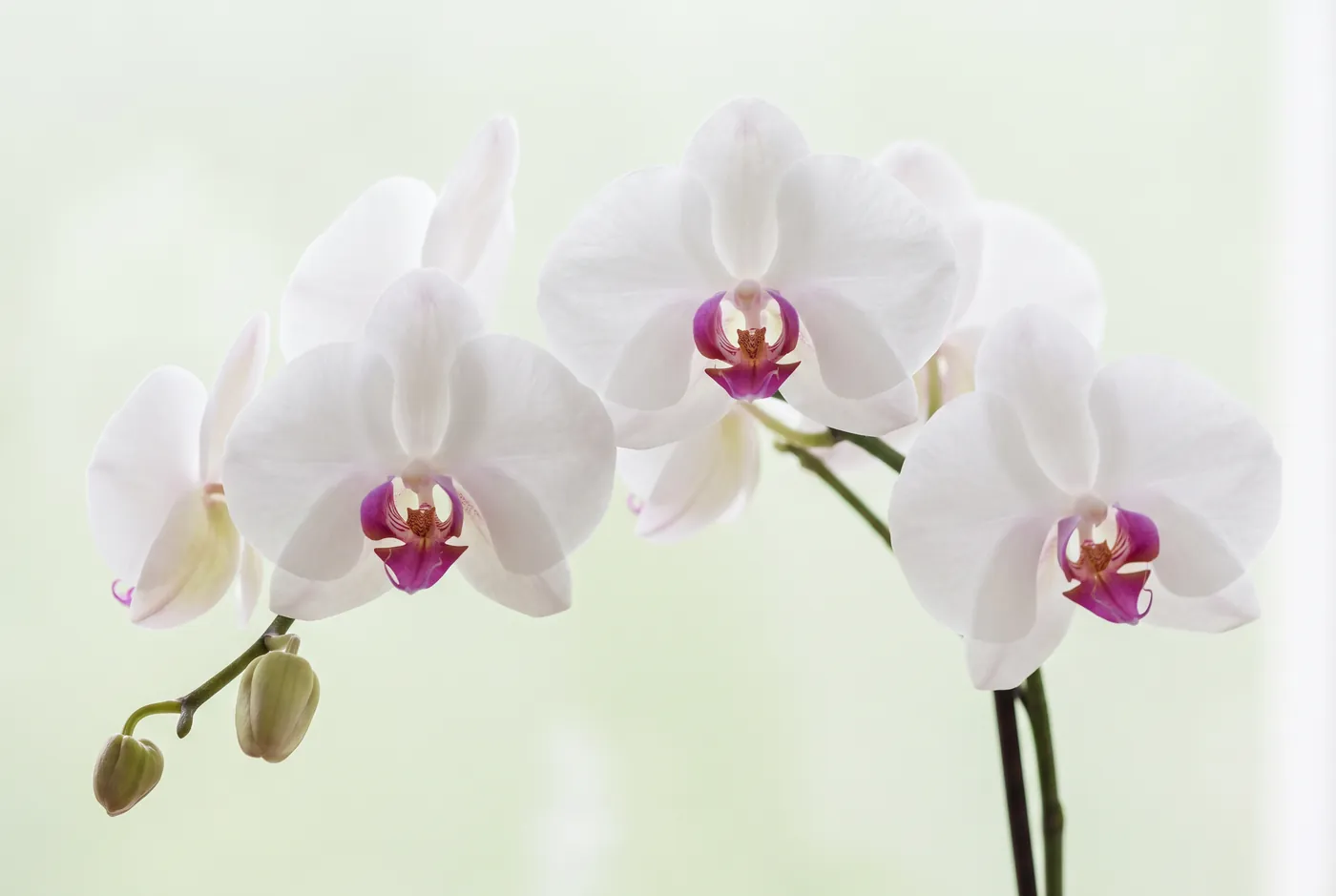
Carnations, alstroemeria, chrysanthemums and orchids are the dependable ones, and all four are available and reasonably priced year round. They are also the flowers most often dismissed as boring, which is more about how they are usually arranged than about the flowers themselves.
For Valentine's Day and Mother's Day, at least a week, and earlier if you need a specific delivery window. You are mostly reserving the florist's time and their delivery slots rather than the flowers. Ordering the day before does not usually cost more, it just narrows what you can have and when it can arrive.
No. Almost every rose sold in the country is grown under cover, and they are excellent. The thing that damages a flower is the journey and the time, not the roof it grew under. A well-handled greenhouse flower that reached the shop quickly beats a field-grown one that spent five days getting there.