Most of what circulates about flowers and pets is either wrong or the wrong size. The plant with the fearsome reputation is close to harmless, several genuinely dangerous ones are never mentioned, and the single most serious risk in the whole flower trade applies to cats and not to dogs.
If you have thirty seconds: lilies and cats are a veterinary emergency and there is no safe amount. Almost everything else on this page causes drooling, vomiting and a miserable day. Poinsettias, which everybody asks about, are a myth.
If it is a lily and you have a cat, call a vet now
Do not wait for symptoms and do not wait until morning. Treatment works best when it starts within hours, and a cat that already looks unwell has usually lost the best of that window.
Take the plant or a photograph of it with you, because which lily it is changes everything. Do not try to make the cat vomit unless a vet tells you to.
In the United States, the ASPCA Animal Poison Control Center is on (888) 426-4435 and the Pet Poison Helpline is on (855) 764-7661. Both are staffed around the clock and both charge a consultation fee. Your own vet or the nearest emergency clinic comes first; those lines are for advice while you travel, or when you cannot reach anyone.
Why lilies are in a category of their own
True lilies, the genus Lilium, and daylilies, Hemerocallis, cause acute kidney failure in cats. Not an upset stomach: the kidneys stop working, and without fast treatment it is frequently fatal. The toxin has never been identified, which is part of why there is no antidote and no test that says a cat is in the clear.
Three things make it worse than any other plant risk in the house. Every part is dangerous, including petals, leaves, stem, pollen and the water in the vase. The dose is tiny: a cat that brushes past an arrangement and later grooms pollen off its fur has taken one. And removing the anthers does not make it safe, which is worth saying because that advice circulates and it is about protecting tablecloths, not cats.
This is a cat problem specifically. Dogs that eat lilies generally get a stomach upset and nothing more. That difference is real and it is the reason a florist will ask which animal you have.
The confusion that causes actual harm is the name. Calla lilies, peace lilies and water lilies are not Lilium at all and do not do this. They contain calcium oxalate, which causes intense mouth pain, drooling and swelling if chewed. Genuinely unpleasant and worth a call, but a different order of risk entirely. Lily of the valley is a fourth thing again and is seriously toxic to both cats and dogs, affecting the heart.
The bulb is usually the problem, not the flower
This is the distinction that makes most of the scary lists useless. For a whole group of spring flowers the toxin is concentrated in the bulb, which means a cut stem in a vase and a planted bulb in the garden are completely different risks.
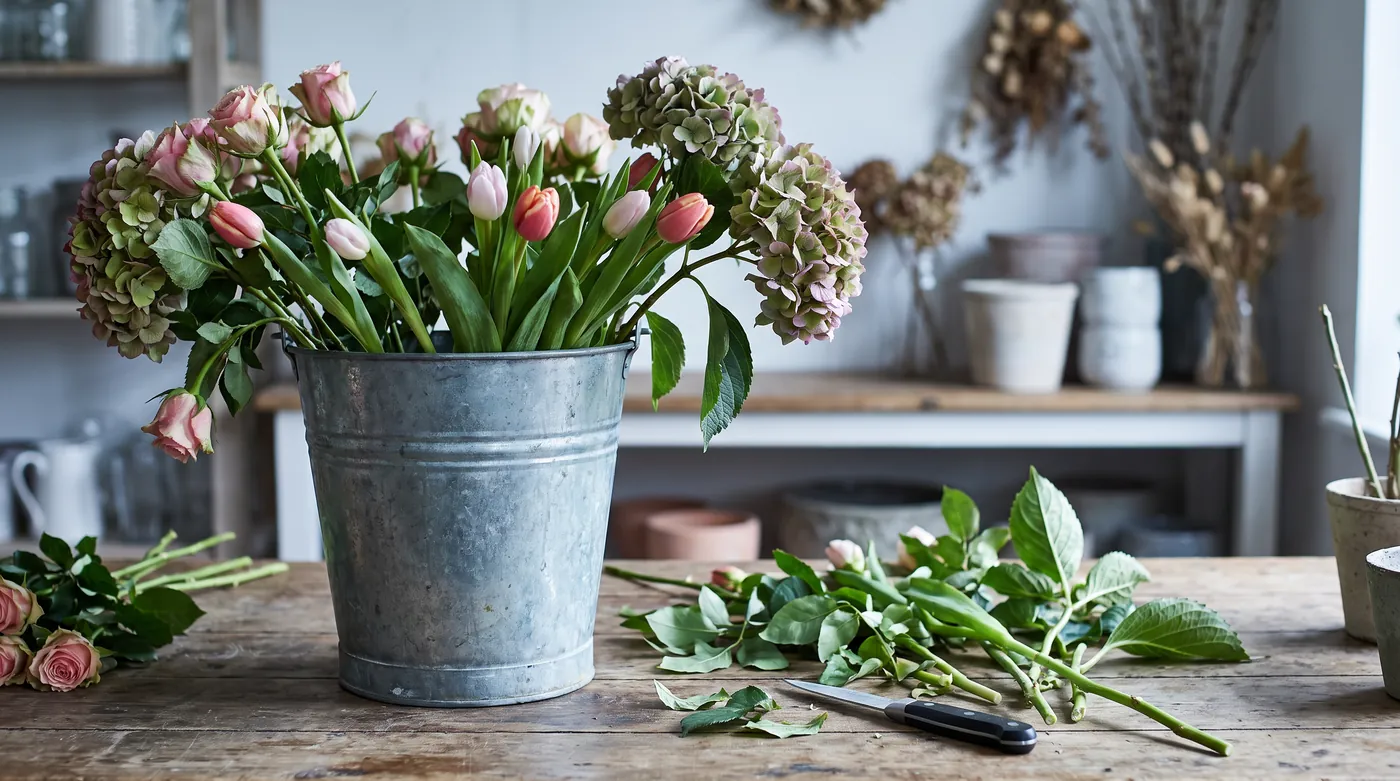
Tulips, hyacinths, daffodils and amaryllis all work this way. A cat chewing a cut tulip gets a mild stomach upset. A dog that digs up and eats a handful of bulbs is a genuine problem, and daffodil and amaryllis bulbs are the worst of them. Cyclamen is the same story with the tuber, which sits at soil level in a pot where a digging animal can reach it easily.
The same logic applies to gladiolus corms and iris rhizomes. If you garden with a dog that digs, the border matters more than the vase.
The ones that will make an animal ill
None of these is likely to kill a healthy pet, and all of them will ruin a day. Vomiting, drooling and lethargy are the usual picture.
Chrysanthemums contain pyrethrins, the same compounds used in insecticides, and cause vomiting, drooling and sometimes skin irritation. Hydrangeas hold cyanogenic glycosides in the buds and leaves. Anemones, ranunculus and clematis are all buttercup relatives and their fresh sap irritates the mouth and can blister skin. Holly berries upset the stomach and the leaves cause mechanical injury on the way through. Delphiniums and larkspur are properly toxic, mostly a livestock problem but not one to leave within reach. Wisteria seeds and pods are the toxic part, and sweet pea seeds likewise.
Mistletoe belongs here too. The berries cause stomach upset and, in quantity, worse, and it is one of the few Christmas plants that deserves the reputation poinsettias were given.
The one nobody warns you about
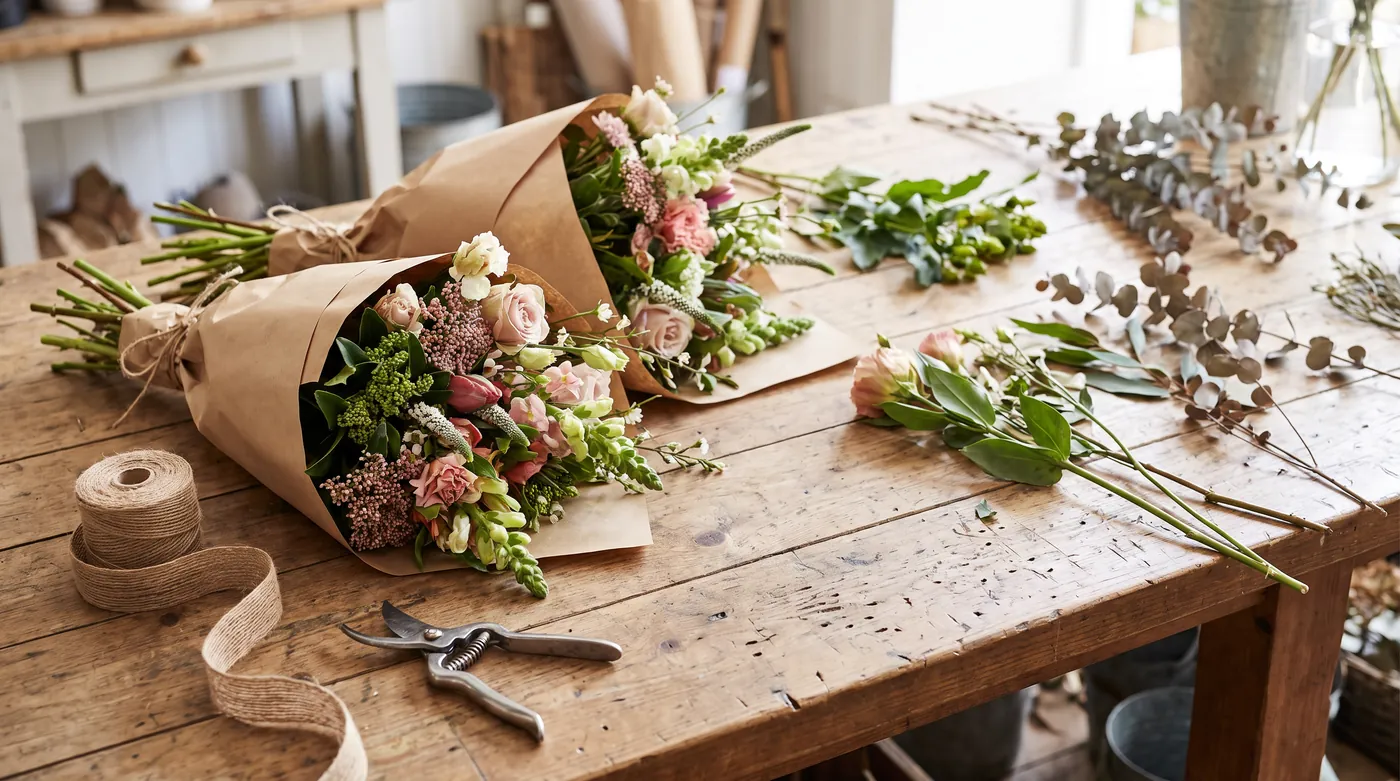
Eucalyptus is toxic to cats and dogs, and it is in almost every arrangement sold. It causes vomiting, drooling, weakness and in larger amounts seizures.
What makes it worth its own section is how people treat it. Nobody leaves a lily on the kitchen counter, but a bunch of eucalyptus gets hung in a bathroom, dried in a jar, laid along a table or left in the wrapping on the side. Dried stems stay toxic. The essential oil is considerably more dangerous again and should not be used around cats at all.
None of that means it cannot be in the house. It means it belongs where the flowers belong, up and out of reach, rather than treated as decor that does not count.
The ones people worry about that are fine
Poinsettias are not deadly and never were. The reputation traces to a single unverified report from over a century ago, and it has been tested properly since. The milky sap is a mild irritant: an animal that chews a leaf may drool or be sick, and that is the end of it. It is the most persistent myth in this whole subject and it makes people throw out a plant while a vase of lilies sits on the same table.
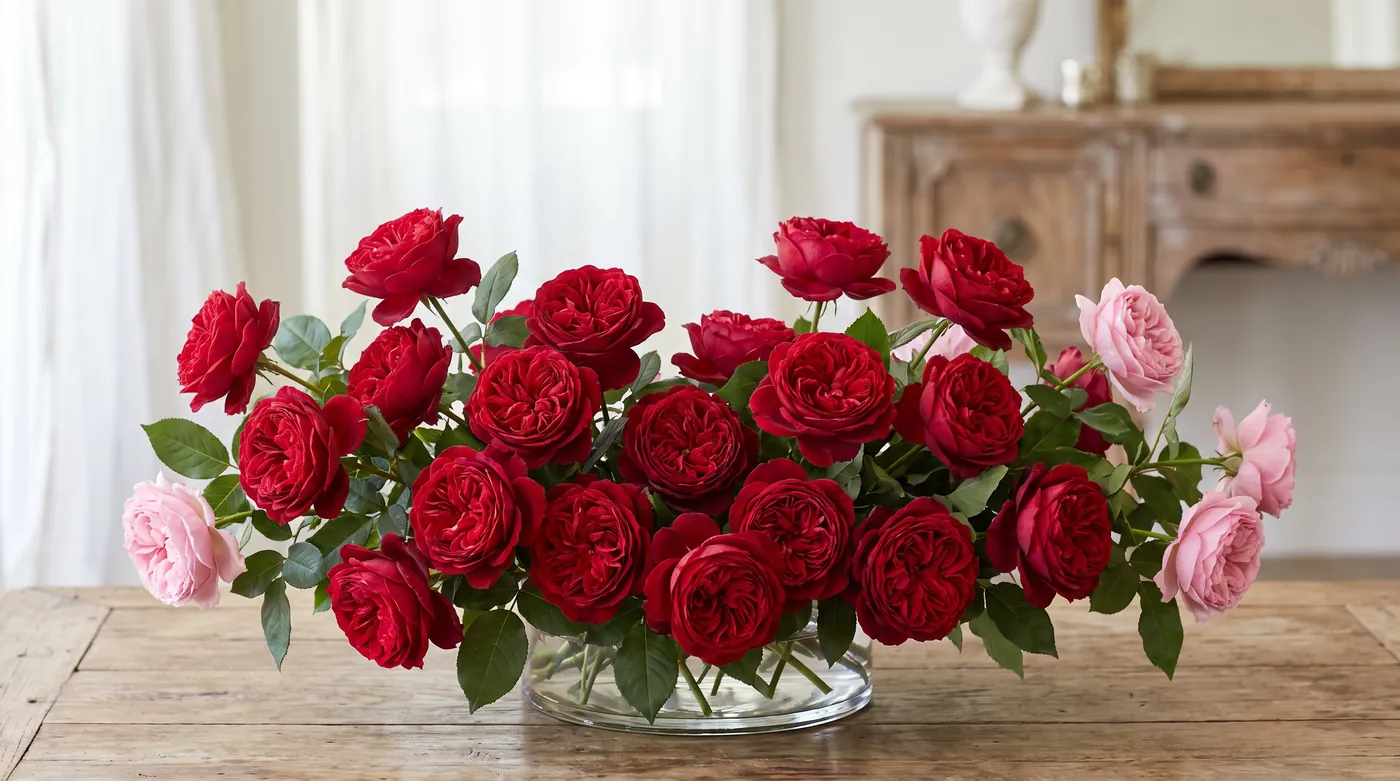
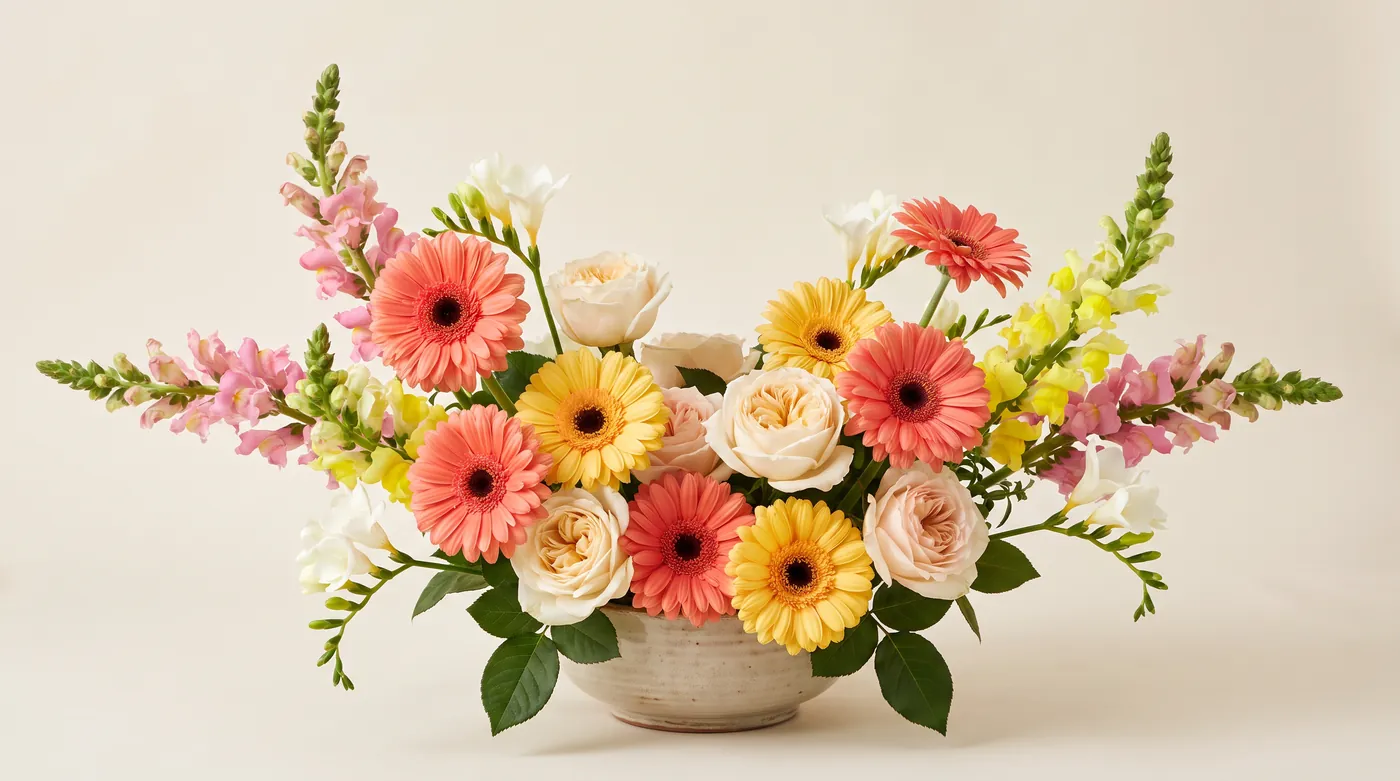
Roses are not toxic. The hazard is the thorns. Orchids, including the phalaenopsis sold everywhere, are not toxic. Christmas cactus is not toxic and flowers for weeks, which makes it the sensible festive plant for a house with animals. Sunflowers, gerbera daisies, snapdragons, freesia, stock and zinnias are all fine.
Worth keeping in proportion: any animal that eats enough of any plant will be sick, because cats and dogs are not built to digest vegetation. Non-toxic means it will not poison them, not that a cat can eat a bouquet with no consequences.
What to send to a house with animals
Say there is a cat or a dog when you order and any decent florist will build around it at no extra cost. These are the ones they will reach for.
Roses
Not toxic, and available every week of the year in any color. The only hazard is the thorns, and a florist strips those anyway.
Gerbera Daisies
Bright, cheerful and safe, which is a genuine advantage over the closely related chrysanthemums and daisies, neither of which is.
Freesia
One of the few heavily scented cut flowers that is genuinely safe in a house with pets, which is useful when lilies are ruled out and scent is the point.
Orchids
Not toxic in any of the forms sold as houseplants, and a phalaenopsis flowers for two or three months. The obvious gift for a household where a vase would be a problem.
Snapdragons
Safe, tall, and available in almost every color. They cover the vertical line that delphinium and gladiolus would otherwise give you, without either of their problems.
Sunflowers
Not toxic, unmistakable, and hard to get wrong. A good answer when somebody wants something big and cheerful.
Stock
Safe, and the strongest clove scent in the shop. The substitute to ask for when someone wanted lilies for the perfume.
Lisianthus
Reads as a rose from across the room, lasts longer than one, and is not a plant anybody needs to worry about.
Celosia
Velvety texture and saturated color, safe, and it dries in place rather than dropping.
Zinnias
Safe, cheap in summer, and about as far from a formal arrangement as you can get.
Christmas Cactus
Not toxic, flowers for weeks in midwinter and lives for decades. The festive plant to buy instead of worrying about the poinsettia.
If it has already happened
Do not wait to see whether the animal gets ill. With lilies and cats especially, the treatment that works is the treatment that starts early, and a cat showing symptoms is already further along than you want.
Take the plant with you, or a photograph. Identification changes the treatment completely, and the difference between a calla lily and a true lily is the difference between mouth pain and kidney failure.
Do not induce vomiting on your own initiative. For some plants it helps and for others it makes things worse, and hydrogen peroxide given at home injures plenty of animals every year. Ask first.
Mention the vase water. People report what the pet chewed and forget that it drank. With lilies the water alone is enough, and it is the exposure owners most often miss.
Common questions
Are lilies really that dangerous to cats?
Yes, and it is not exaggerated. True lilies and daylilies cause acute kidney failure in cats, every part of the plant is involved including the pollen and the vase water, and the amount needed is very small. There is no antidote, so treatment is about speed. Dogs are not affected the same way and generally get no worse than an upset stomach.
Is a peace lily or a calla lily the same risk?
No, and the shared name causes real harm. Neither is a Lilium. They contain calcium oxalate, which causes intense mouth irritation, drooling and swelling if chewed. Worth a call to a vet, genuinely painful, and nothing like kidney failure. Lily of the valley is a different plant again and is seriously toxic to both cats and dogs.
Are poinsettias poisonous?
No. It is the most persistent myth in this subject. The sap is a mild irritant, so an animal that chews a leaf may drool or be sick, and that is generally the whole of it. The plant has been tested at doses far beyond anything an animal would eat. The genuinely dangerous Christmas plants are lilies, mistletoe berries and amaryllis bulbs.
Can I have flowers at all with a cat in the house?
Easily. Say there is a cat when you order and the florist will build without lilies and without eucalyptus. Roses, gerbera daisies, freesia, snapdragons, stock, lisianthus, sunflowers and orchids are all safe, which is most of a shop. Put the arrangement somewhere a cat will not walk through it, and sweep up dropped petals.
What about the leaves and the greenery?
That is where the risk usually hides. Eucalyptus is in almost every arrangement and is toxic to both cats and dogs, dried as well as fresh, and people leave it lying about in ways they never would with flowers. Holly leaves and berries are the other one worth naming. Ask for the foliage to be considered too, not just the flowers.
Are the spring bulbs a problem?
The bulbs are, the cut stems mostly are not. Tulips, hyacinths, daffodils and amaryllis all concentrate their toxin in the bulb, so a vase of cut tulips is a mild stomach upset while a dog digging up a border is a real call to the vet. Daffodil and amaryllis bulbs are the worst of them, and cyclamen tubers sit at soil level in a pot where they are easy to reach.
Find a florist near you
Every one of these is easier to get right in person, because a local shop is buying from the same market this page describes and can tell you what actually arrived this week. Our directory lists flower shops in every state, by county and town. Find a florist near you.