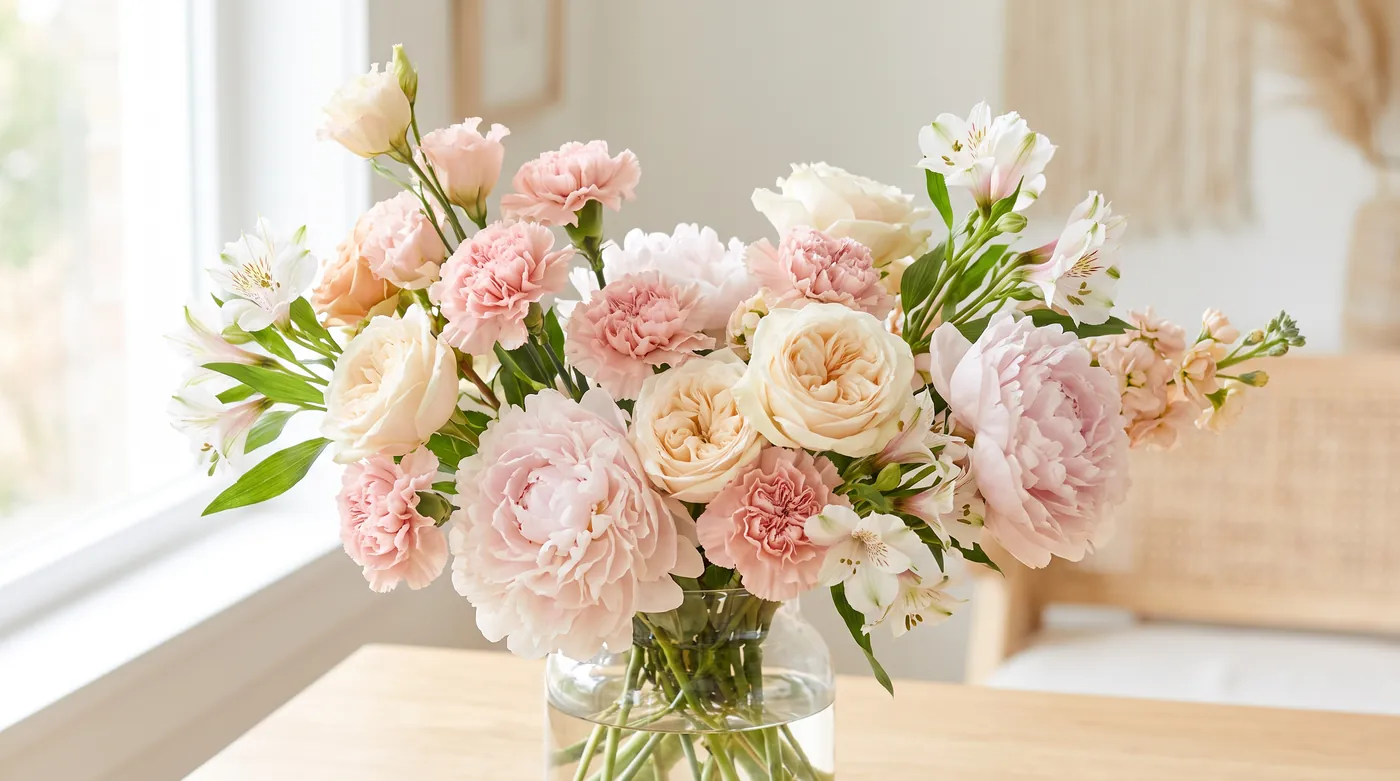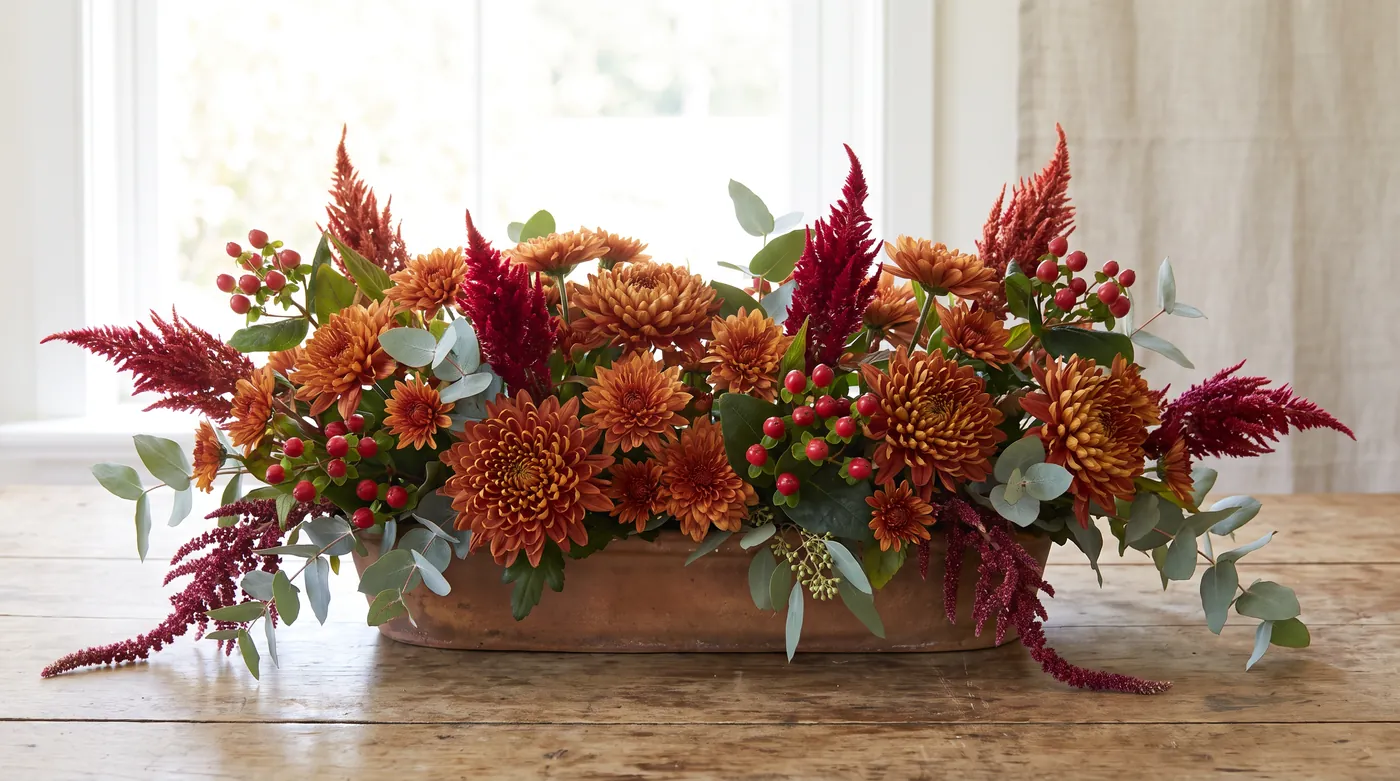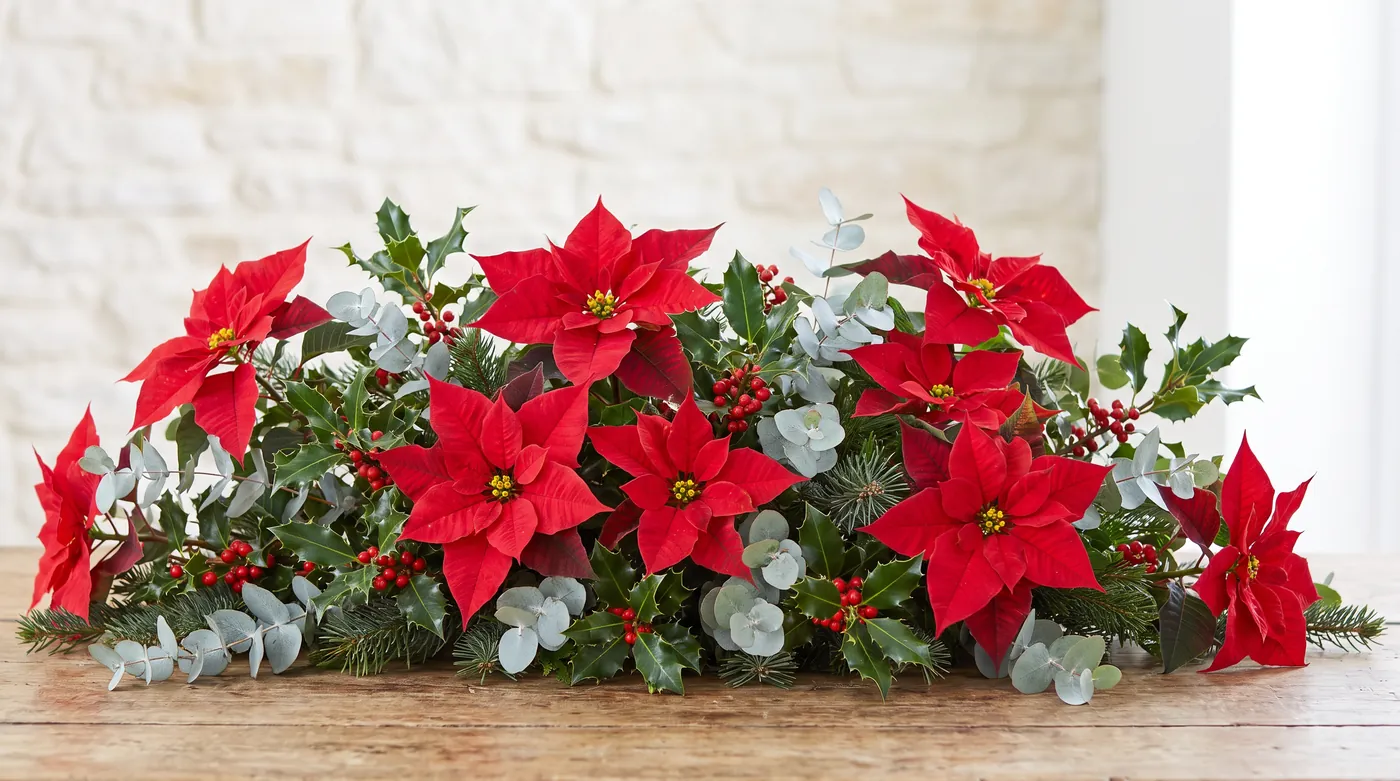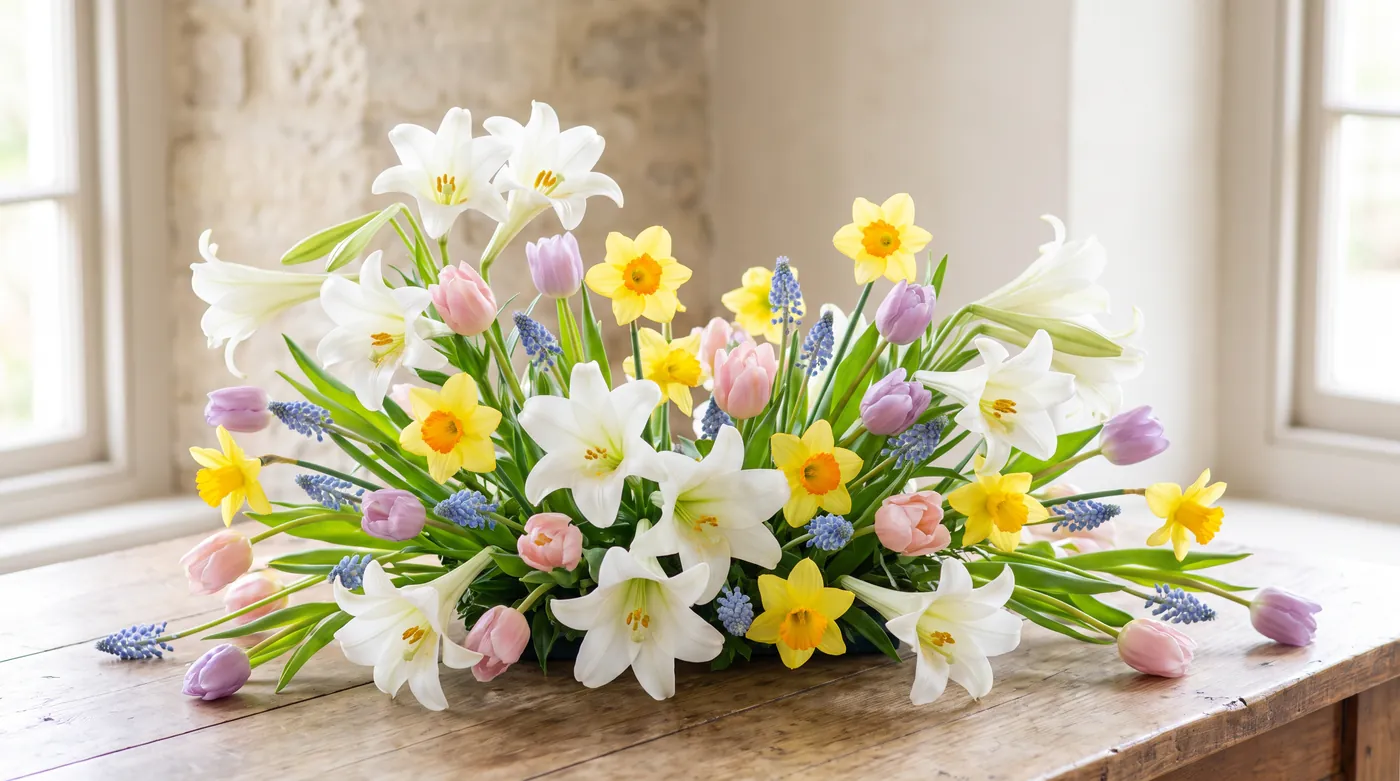
Easter is the spring bulb holiday. Daffodils, tulips and hyacinths are at their best and their cheapest, branches are coming into blossom, and one flower stands apart from all of it: the white trumpet lily that carries the name of the day.
It is also the only one of the four holidays whose date moves, and it moves by more than a month. That has a real effect on what you can actually buy, and it catches people out every few years.
The Easter lily is a Japanese flower with an American address
The Easter lily is Lilium longiflorum, native to the Ryukyu Islands of southern Japan. It reached the West through Bermuda in the 1880s, which is why it was called the Bermuda lily for a generation, and the bulbs were supplied from Japan until the Second World War cut the trade off entirely.
What happened next is the interesting part. American growers who had been raising bulbs as a sideline suddenly found themselves holding the entire supply, and the crop settled in a narrow coastal strip on the California and Oregon border around Smith River, where the climate suits it almost uniquely. A handful of farms there now grow effectively all of the potted Easter lily bulbs sold in North America, on a schedule timed to a date that moves every year.
The symbolism is older and simpler. The trumpet was read as an announcement of the resurrection, the white as purity, and the bulb itself as the plainest possible metaphor: buried, apparently dead, and rising. Lilies of the field appear in the Gospels, and churches have massed white lilies at the altar on Easter Sunday for well over a century.
Why spring bulbs carry the rest of it
Every flower associated with Easter is doing the same symbolic work: something that was underground and finished is back. Daffodils are called the Lent lily in Britain because they flower right across Lent, and they are the clearest example of the idea. Tulips, hyacinths, muscari and crocus all carry it too.
Passover falls in the same window and has no equivalent single flower. White and spring colors, and arrangements built for a long table, are the convention rather than any specific bloom.
Practically, this is the cheapest good flower buying of the year. Field-grown tulips in spring are a different flower from the glasshouse stems sold in January: taller, stronger stemmed and less expensive. Daffodils are close to their lowest price of the year. Blossom branches cost very little and fill more space than anything else you can buy.
The moving date, and what it changes
Easter is set as the first Sunday after the first full moon on or after the twenty-first of March, so it can fall anywhere between the twenty-second of March and the twenty-fifth of April. That is a five week spread, and the flower trade feels it.
An early Easter arrives before the outdoor spring crop has really started, so more of what you buy will have been forced under glass, and blossom branches may not be out at all. A late Easter lands with everything open at once: lilacs starting, ranunculus and anemones still going, blossom at its best, and far better value on the table.
Potted Easter lilies are the crop that suffers, because the growers are aiming at a date five weeks wide with a plant that needs months of preparation. It is a genuinely difficult piece of horticulture and it is worth knowing about when a shop tells you the lilies are late.
What to send, and why each one works
Everything here is in season, which is why Easter is such good value compared with February and May.
Lilies
The white trumpet lily is the flower of the day, in a pot for a house or as cut stems for a church. Buds open over several days, so a stem with one flower open and the rest closed keeps giving. Read the safety note below before sending them anywhere with a cat.
Daffodils
The Lent lily, at their cheapest and best. One rule matters: cut daffodil stems leak a sap that blocks other flowers and will kill tulips in the same vase. Condition them alone in water for several hours first, then arrange without recutting.
Tulips
Field tulips in spring are the best tulips of the year. They keep growing and bending in the vase after cutting, which reads as alive rather than untidy once you expect it.
Hyacinths
The scent of the season, and strong enough that one or two stems is plenty in a small room. Sold as bulbs in pots as well, which last far longer.
Ranunculus
Still in season and at their best, with layer on layer of tissue-paper petals. The most useful spring flower for anyone who wants something that does not look like a supermarket bunch.
Anemones
Dark centers and saturated petals, and a natural partner to white lilies if you want the arrangement to have some weight to it.
Freesia
Powerfully scented, long lasting, and safe in a house with animals, which makes it the sensible substitute when lilies are ruled out.
Muscari
Grape hyacinth. Small, deep blue and inexpensive, and it gives a spring arrangement the one color the bulb flowers otherwise struggle to supply.
Cherry Blossom
Branches rather than stems. Nothing else fills a room for the money, and it is the clearest possible signal that spring has arrived.
Forsythia
Bare branches covered in yellow, and cheap. Florists use it for scale when the budget will not stretch to blossom.
Hydrangeas
As a gift plant rather than a cut stem. It flowers for weeks indoors and then goes out into the garden, which suits the occasion.
Easter lilies and cats: the one genuinely urgent warning
Easter lilies are fatal to cats. True lilies, the genus Lilium, and daylilies cause acute kidney failure, and the exposure needed is tiny: pollen groomed off fur, a chewed leaf, or water from the vase. Vets see a spike in these cases every spring for exactly this reason, and it is the single most useful thing on this page.
If there is a cat in the house, there is no safe way to have a lily in it, and removing the anthers does not make it safe. Send freesia, tulips, ranunculus or an orchid instead. Calla lilies and peace lilies are not true lilies and cause mouth irritation rather than kidney damage, so they are a reasonable middle ground if the shape is what you wanted.
Common questions
Why is the lily the Easter flower?
The trumpet shape was read as an announcement of the resurrection and the white as purity, but the bulb is the real reason: buried, apparently dead, and rising again is about as direct a metaphor as a plant can offer. Churches have massed white lilies at the altar on Easter Sunday for well over a century.
Are Easter lilies dangerous to cats?
Yes, seriously so. True lilies and daylilies cause acute kidney failure in cats, and a very small exposure is enough: pollen groomed off fur, or water from the vase. There is no safe amount and removing the anthers does not fix it. If there is a cat, send freesia, tulips or ranunculus instead.
How do I keep a potted Easter lily going?
Buy one with one or two flowers open and the rest still in tight bud. Pinch out the yellow anthers as each flower opens, which stops the pollen staining everything and makes the flower last longer. Keep it cool and out of direct sun. Once it has finished, it can be planted outside, where it will usually flower again in summer rather than at Easter.
Why do daffodils ruin the other flowers in a vase?
Cut daffodil stems leak a sap that blocks the stems of other flowers, and tulips are the most vulnerable to it. Stand daffodils on their own in water for several hours first, then move them into the arrangement without cutting them again. Recutting starts the sap flowing all over again.
Does the date of Easter change what I can buy?
Considerably. Easter can fall anywhere from the twenty-second of March to the twenty-fifth of April. An early one arrives before the outdoor spring crop has started, so more of it is forced under glass and blossom may not be out. A late one lands with everything open at once and is far better value.
Find a florist near you
Every one of these is easier to get right in person, because a local shop is buying from the same market this page describes and can tell you what actually arrived this week. Our directory lists flower shops in every state, by county and town. Find a florist near you.