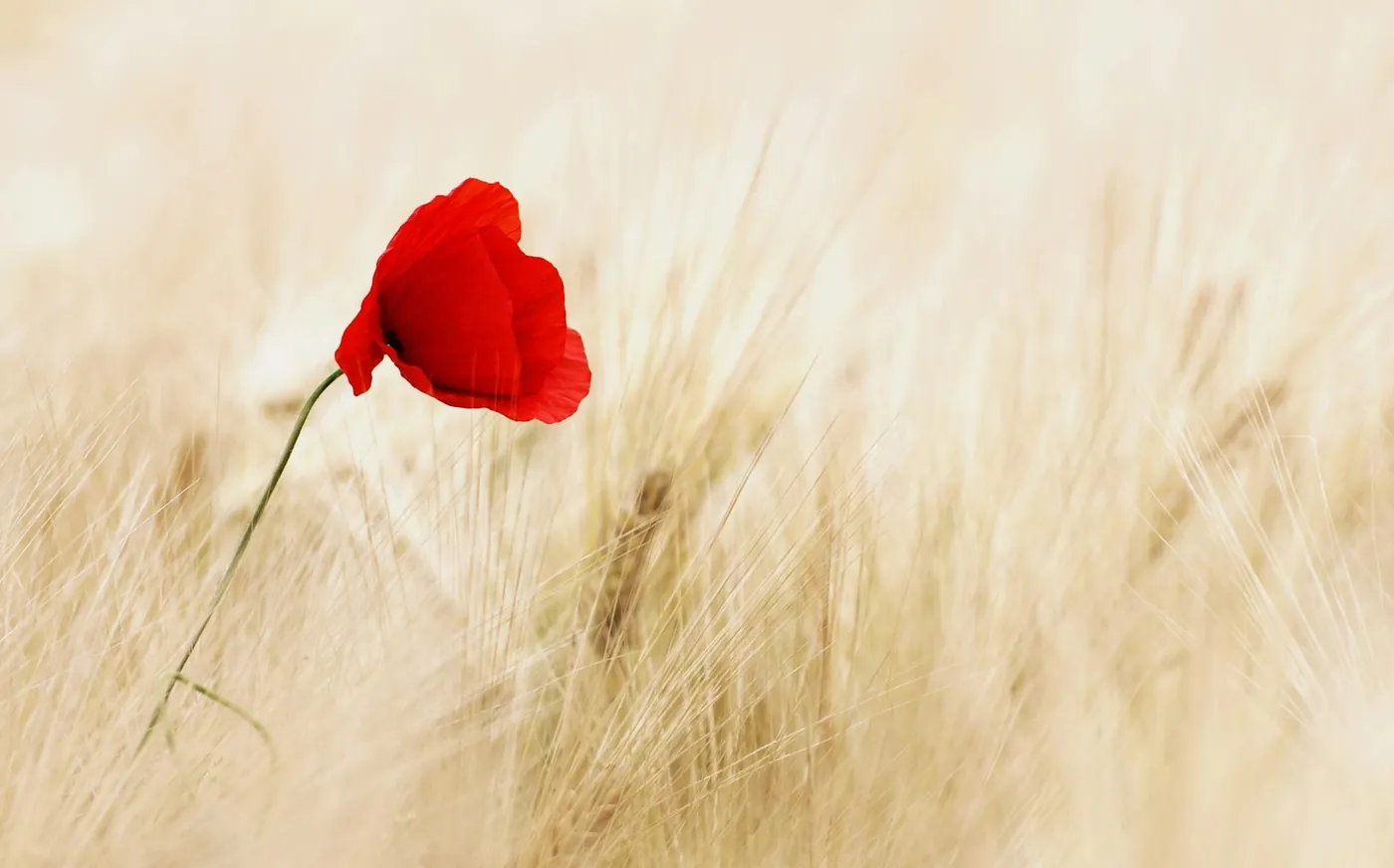
About Poppies
Poppies are delicate, papery flowers that capture attention with their vibrant colors and distinctive dark centers. These ephemeral blooms have deep historical significance, serving as symbols of remembrance, beauty, and resilience across many cultures.
With their tissue-thin petals and graceful nodding buds, poppies bring a wild, natural charm to any arrangement. Despite their fragile appearance, poppies are hardy plants that thrive in diverse conditions, symbolizing the ability to flourish even in challenging circumstances.
Primary Meanings
- Remembrance: Honors fallen soldiers and those who have passed, especially in Commonwealth countries
- Peaceful Sleep: Represents rest, tranquility, and the cycle of life and death
- Beauty: Symbolizes delicate beauty and the fleeting nature of life
- Resilience: Represents the ability to thrive and grow in difficult conditions
Poppies Colors and Their Meanings
Red Poppies
Remembrance, sacrifice, and consolation
White Poppies
Peace, rest, and eternal sleep
Orange Poppies
Health, enthusiasm, and renewal
Yellow Poppies
Success, wealth, and optimism
Pink Poppies
Compassion, affection, and romantic love
Purple Poppies
Imagination, luxury, and beauty
Popular Poppies Types
Oriental Poppy
Papaver orientale
Iceland Poppy
Papaver nudicaule
California Poppy
Eschscholzia californica
Corn Poppy
Papaver rhoeas
Care Instructions
Sear Stems
Sear stem ends with flame for 5-10 seconds before arranging
Water
Use lukewarm water and change every 1-2 days
Reviving
Cut stems at an angle while submerged in water
Temperature
Keep in cool location away from direct heat
Flower Food
Add flower food to extend vase life
Best Occasions for Poppies
- Memorial Day and Remembrance Day: Memorial Day and Remembrance Day
- Sympathy and funeral arrangements: Sympathy and funeral arrangements
- Spring celebrations: Spring celebrations
- Garden-style weddings: Garden-style weddings
- Thank you gifts: Thank you gifts
Interesting Poppies Facts
- Red poppies grew on WWI battlefields, leading to their association with remembrance
- Poppy seeds contain no opium despite coming from the same plant species
- Claude Monet painted a famous series of poppy field landscapes
- A single poppy plant can produce up to 60,000 seeds
- Poppies close their petals at night and during rain to protect their pollen
- The California poppy is the state flower of California
How to Buy Good Poppies
Buy Iceland poppies in tight, fuzzy, still-bent bud where the calyx is just starting to split and show color. They open dramatically indoors over a day or two, and that is the point of buying them. A poppy already open has two or three days left. The stems are hairy and should feel firm rather than limp.
Season, Availability and What Drives the Price
Iceland poppies, the type usually sold cut, are a cool-season crop available from late winter into spring. They are not a year-round flower and do not ship well, so availability is patchy and local. Oriental poppies from the garden are almost never sold cut because they collapse within a day.
What to Use Instead
Anemones share the season, the papery texture and the dark center, and last longer. Ranunculus covers similar ground with far more petals. For the specific crinkled, tissue-paper quality of a poppy petal, nothing else is close.
Safety Around Pets and Skin
Poppies are toxic to cats and dogs. They contain alkaloids that can cause sedation, unsteadiness and, in quantity, more serious effects. Cats are particularly sensitive. The milky sap also irritates skin.
Florist Tips for Poppies
Sear the stem ends
This is essential rather than optional. Cut poppies bleed a milky latex that seals the stem and stops them drinking. Hold the cut end in a flame for a few seconds, or in boiling water for thirty, immediately after cutting.
Cut them in bud and let them open indoors
Watching an Iceland poppy unfurl over a few hours is most of the pleasure of buying them.
Handle the stems as little as possible
They bruise and kink easily, and a kinked stem will not drink.
Common Questions About Poppies
Why do my cut poppies wilt immediately?
Because the stem end has sealed with its own milky sap. You have to sear it, a few seconds in a flame or thirty in boiling water, straight after cutting. Without that they cannot take up water at all.
How long do cut poppies last?
Four to six days if the stems are seared and they are bought in bud.
Are poppies poisonous to pets?
Yes. They contain alkaloids that can sedate cats and dogs, and cats are especially sensitive. Keep them well out of reach.