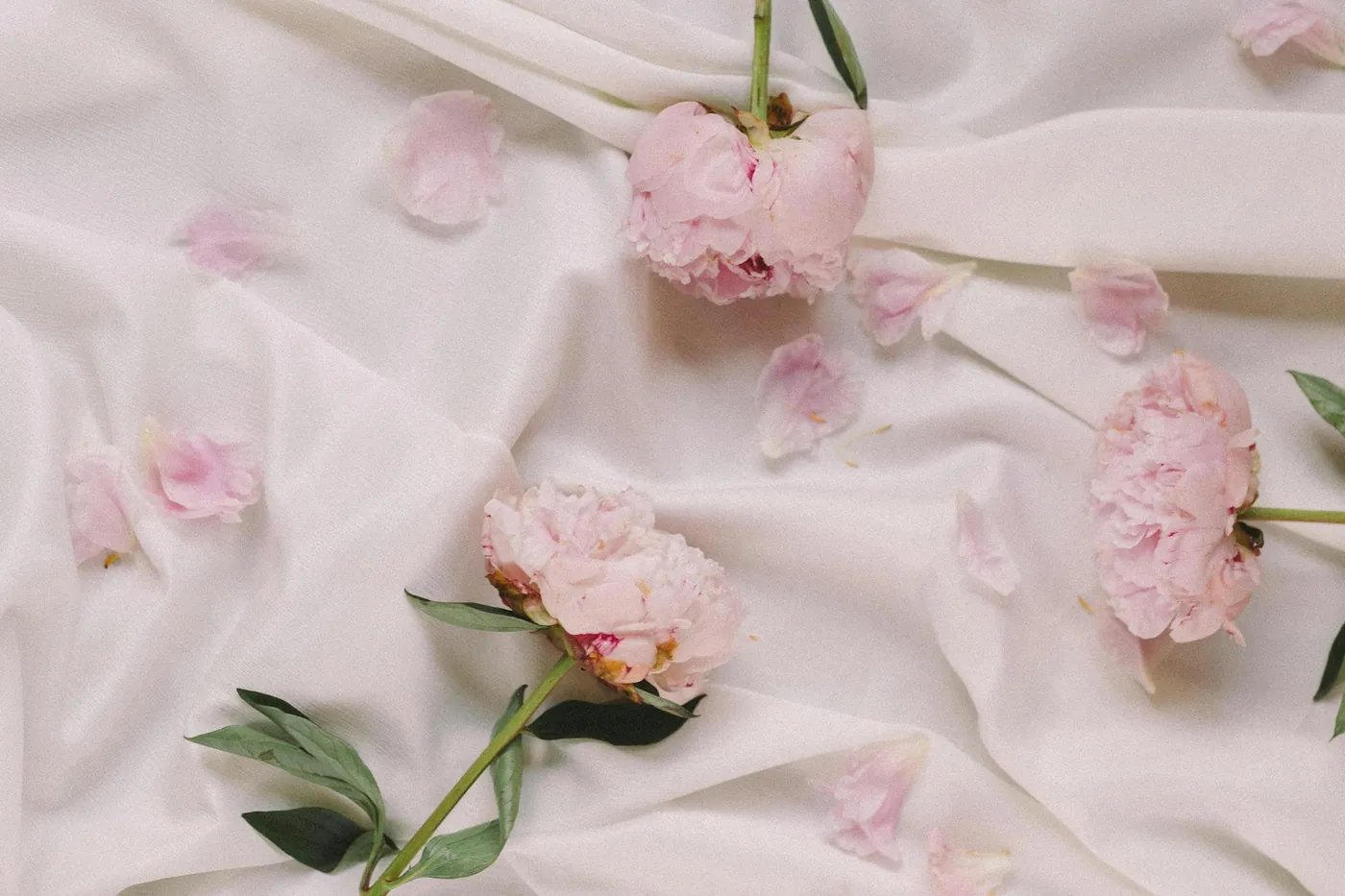
About Peonies
Peonies are lush, romantic flowers prized for their full, ruffled blooms and sweet fragrance. These stunning flowers have been cultivated in China for over 2,000 years and are considered the "king of flowers" in Chinese culture. With their abundant petals and intoxicating scent, peonies epitomize romance and luxury.
Peonies bloom in late spring to early summer, offering a brief but spectacular show. Their large, cabbage-like blooms can reach up to 10 inches across and come in shades of white, pink, coral, and red. Despite their delicate appearance, peony plants are incredibly hardy and can live for over 100 years.
Primary Meanings
- Romance: Happy marriage, bashfulness, compassion
- Prosperity: Good fortune and wealth
- Honor: Respect and high regard
- Beauty: Feminine beauty and grace
Peonies Colors and Their Meanings
Pink Peonies
Romance, prosperity, good fortune, happy marriage
White Peonies
Purity, innocence, regret, bashfulness
Red Peonies
Honor, respect, passion, prosperity
Coral Peonies
Desire, happiness, joy
Yellow Peonies
Good luck (rare color)
Popular Peonies Types
Herbaceous Peonies
Traditional garden peonies that die back in winter
Tree Peonies
Woody shrubs with large, dramatic blooms
Itoh Peonies
Hybrid combining best of herbaceous and tree types
Japanese Peonies
Single blooms with prominent yellow stamens
Care Instructions
Water
Change water daily, peonies are heavy drinkers.
Trim
Cut stems at angle, place immediately in water.
Temperature
Keep cool to extend blooming period.
Ants
Gently rinse off ants (they're attracted to nectar).
Refrigerate
Can store unopened buds in fridge for later blooming.
Best Occasions for Peonies
- Weddings: Extremely popular for bridal bouquets and centerpieces
- Anniversaries: Especially 12th wedding anniversary
- Mother's Day: Express love and appreciation
- Romantic Occasions: Valentine's Day, proposals, dates
- Apologies: White peonies express regret and bashfulness
Interesting Peonies Facts
- Peonies have been cultivated for over 2,000 years in China
- They're named after Paeon, physician to the Greek gods
- Peony plants can live for over 100 years
- The flower is associated with the 12th wedding anniversary
- Ants on peonies help buds open (they eat nectar)
- China is the ancestral home and uses them in traditional medicine
How to Buy Good Peonies
Squeeze the bud. Florists call the right stage marshmallow, it should give slightly under gentle pressure, like a marshmallow, and be showing color. A bud that is hard as a golf ball and completely green will very often never open at all, which is the single most common disappointment with peonies. One already open is beautiful today and finished in three days.
Season, Availability and What Drives the Price
Peonies have the shortest and most abrupt season of any major cut flower, running roughly six weeks from late spring into early summer in any given region. Growers extend the window by shipping from different latitudes and from the southern hemisphere, but out-of-season peonies are expensive and rarely as good. This is why peonies dominate May and June weddings and why couples marrying in September are steered away from them. If a florist tells you peonies are not available for your date, they are not upselling.
What to Use Instead
Garden roses are the standard substitute and read almost identically in photographs. Double lisianthus gives the same ruffled, layered feel at lower cost and lasts longer. Ranunculus works for the petal density though at a smaller scale. Carnations, massed tightly, are the budget stand-in and are far more convincing than their reputation suggests.
Safety Around Pets and Skin
Peonies are considered mildly toxic to cats and dogs, causing vomiting or diarrhoea if a quantity is eaten. The bark and roots hold more of the active compound than the flowers. Not a serious hazard, but not one to leave a puppy chewing.
Florist Tips for Peonies
Ants on the buds are harmless
They are after the sugary nectar on the outside of the bud. They do not damage the flower, and the old belief that peonies need ants to open is a myth. Shake them off outside before bringing the stems in.
Warm water opens a stubborn bud
If a marshmallow-stage bud is being slow, put it in warm water in a warm room. Cold slows them right down, which is also how you hold them back for an event.
You can store them dry for weeks
Peonies cut in tight bud can be kept wrapped and refrigerated without water for two to three weeks, then cut and hydrated when needed. It is how the trade manages such a short season.
Common Questions About Peonies
Why won't my peony buds open?
They were almost certainly cut too tight. A peony bud needs to be at the soft marshmallow stage with color showing when it is harvested; a rock-hard green bud has not developed enough and often never opens. Warm water and a warm room will help a borderline one along.
How long do peonies last?
Five to seven days if you buy them in bud, and only two or three if you buy them open. Buying at the right stage roughly doubles what you get.
Why are peonies so expensive?
A very short natural season and no practical way to grow them year-round to the same quality. Everything outside that window is either cold-stored or flown from another hemisphere.