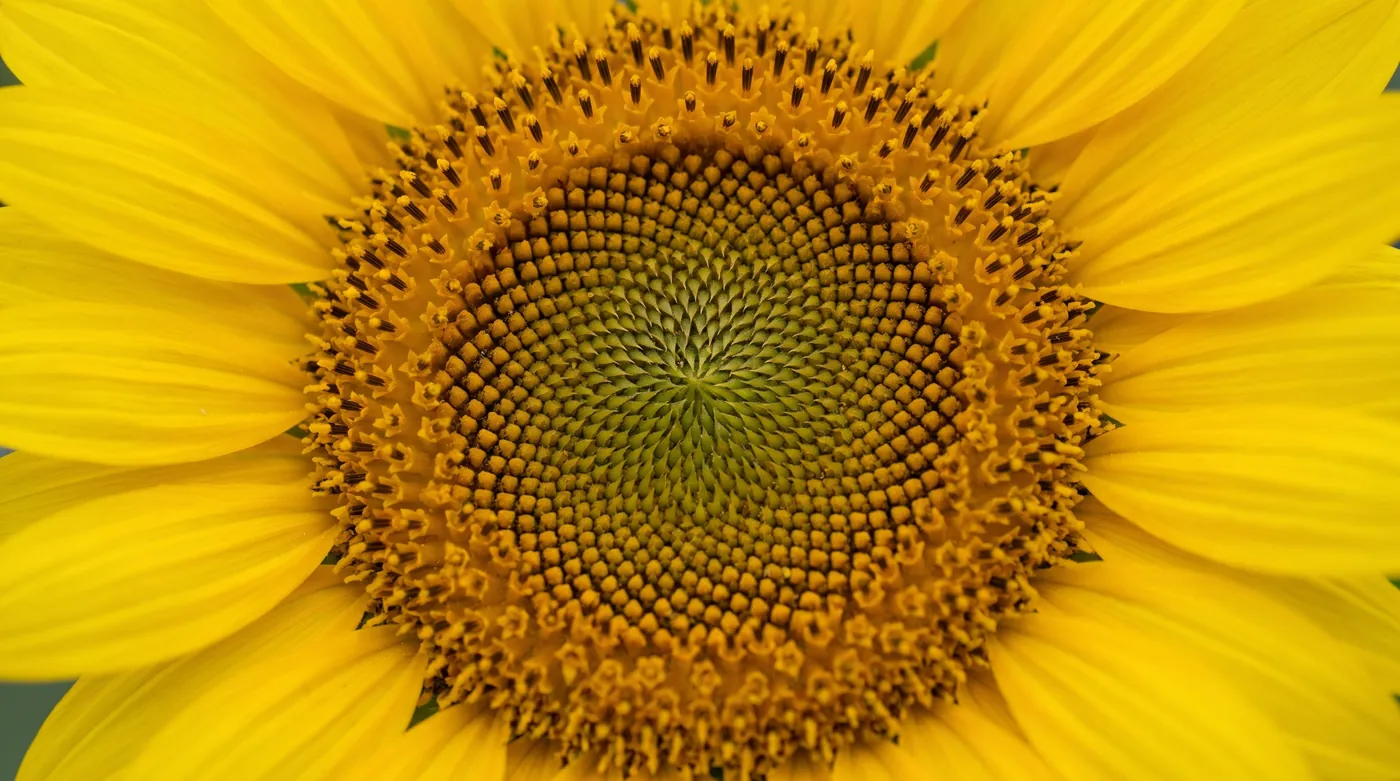
A sunflower head showing ray florets around spiraled disc florets

16 flowers in this family

Everything in this guide that belongs to Asteraceae

Purple and pink asters with yellow centres

Asters

Aster spp. and Symphyotrichum spp.
7-12 days

Asters
Bright orange and yellow calendula daisy flowers

Calendula

Calendula officinalis
5-8 days

Calendula
Chrysanthemums

Chrysanthemums

Chrysanthemum morifolium
14-21 days

Chrysanthemums
Pink and white cosmos flowers on fine feathery stems

Cosmos

Cosmos bipinnatus
4-7 days

Cosmos
Bright yellow spherical craspedia heads on bare stems

Craspedia

Craspedia globosa
14-21 days fresh, years dried

Craspedia
Dahlias

Dahlias

Dahlia
5-7 days

Dahlias
Daisies

Daisies

Bellis perennis
7-10 days

Daisies
Deeply cut silver-white felted dusty miller leaves

Dusty Miller

Jacobaea maritima, formerly Senecio cineraria
7-14 days

Dusty Miller
Gerbera Daisies

Gerbera Daisies

Gerbera jamesonii
7-14 days

Gerbera Daisies
Tall purple liatris spikes with feathery flowers

Liatris

Liatris spicata
7-14 days

Liatris
Dense orange and gold marigold blooms

Marigolds

Tagetes erecta and Tagetes patula
7-14 days

Marigolds
Golden rudbeckia flowers with dark brown central cones

Rudbeckia

Rudbeckia hirta and fulgida
7-14 days

Rudbeckia
Feathery golden yellow solidago sprays

Solidago

Solidago canadensis and hybrids
7-14 days

Solidago
Sunflowers

Sunflowers

Helianthus annuus
7-10 days

Sunflowers
Flat plates of mustard yellow and dusty pink yarrow flowers

Yarrow

Achillea millefolium and filipendulina
7-14 days fresh, years dried

Yarrow
Bright zinnias in coral, magenta and gold

Zinnias

Zinnia elegans
5-10 days

Zinnias

Why they last the way they do

Because the head is made of many separate flowers, it does not fail all at once. The outer florets go over while the center is still opening, which is why a spent daisy looks ragged rather than collapsed, and why picking the tired outer petals off a chrysanthemum genuinely buys it another day or two of looking respectable.

It also means the head keeps working after cutting, and working costs water. This family drinks harder than almost anything else in the cooler. Sunflowers are the extreme case and can empty a vase in a day, but gerberas, dahlias and zinnias are all thirsty. Underfilled water is the single most common reason a florist thinks they got a bad box.

The stems are the other half of the story. Many are hollow, soft or hairy, and all three foul water quickly. Dahlias and zinnias turn a vase cloudy faster than any rose. Strip everything below the waterline, change the water rather than topping it up, and the difference is measured in days rather than hours.
Relatives you already know

Asteraceae is not only a cut flower family. Lettuce is in it, and so are artichokes, endive, chicory and tarragon. So is the sunflower grown for oil rather than for a vase, and safflower, and the wormwood that flavors absinthe and vermouth.

Some of the most persistent weeds in the world are here too. Dandelions, thistles, ragweed and burdock are all built on the same composite head, which is a large part of why they are so successful: hundreds of flowers per head means hundreds of seeds, and many of them come with a parachute.

That reach is worth knowing when somebody says they react to chrysanthemums. Asteraceae sensitivity is a real thing and it tends to run across the family rather than stopping at one species, so a customer who struggles with one member is often better steered to a different family altogether than to another daisy.